Being named in a will feels like an honor until the first bank refuses to talk to you. Then it becomes a job with deadlines, court filings, and personal liability attached to your own name.
The duties of a personal representative in Florida are set by statute, not by family expectation. Florida law holds you to the same fiduciary standard as a trustee, and it lets interested persons sue you for losses caused by a breach. Knowing what the role actually requires before you accept it is the smartest thing you can do.
What Does a Personal Representative Do in Florida?
A personal representative gathers the decedent’s probate assets, deals with creditors, pays what is owed, and distributes what remains to the right people under court supervision.
The core responsibilities:
- Take possession of estate assets and protect them
- Identify and value the property in a filed inventory
- Publish and serve notice to creditors, after a diligent search for who they are
- Review, pay, or object to claims against the estate
- File tax returns for the decedent and the estate
- Keep accurate records of every receipt and disbursement
- Distribute assets to beneficiaries or heirs
- Close the estate with a final accounting and petition for discharge
The duties and powers are set out in Part VI of Chapter 733 of the Florida Statutes.
What Legal Standard Does a Personal Representative Have to Meet?
This is the part most people appointed to the role do not realize.
Under Florida Statute 733.609, a personal representative’s fiduciary duty is the same as the fiduciary duty of a trustee of an express trust. You are liable to interested persons for damage or loss resulting from a breach of that duty. Probate lawyers call the resulting remedy a surcharge.
The statute has real consequences attached. In actions for breach of fiduciary duty, or actions challenging how you used or failed to use your powers, the court shall award taxable costs including attorney fees. The court may direct that payment come out of your share of the estate, enter a judgment collectible from your other property, or both.
In practice, this means a personal representative who mishandles an estate can pay out of personal savings. The exposure is not theoretical.
Who Can Serve as Personal Representative in Florida?
Not everyone named in a will qualifies. Florida sets eligibility rules that catch families off guard, particularly when the nominee lives out of state.
Generally, a Florida resident who is 18 or older and legally competent may serve. A nonresident may serve only if related to the decedent within the categories Florida law lists, such as a spouse, child, parent, sibling, or certain other relatives, or the spouse of such a person. A close friend who lives in another state usually cannot serve, no matter what the will says.
A person convicted of a felony generally may not be appointed. Florida also requires a personal representative in a formal administration to be represented by an attorney.
What Are the Biggest Mistakes Personal Representatives Make?
Most problems come from good intentions and bad process.
- Distributing too early. Paying beneficiaries before the creditor period closes can leave you personally liable for unpaid claims.
- Mixing funds. Estate money belongs in a separate estate account, never in your own.
- Paying the wrong creditors first. Florida sets a statutory order of payment, and paying out of order can create liability.
- Skipping the creditor search. You must make a diligent search for known or reasonably ascertainable creditors and serve them, not just publish.
- Selling estate real property without authority. If the will grants no power of sale, no title passes until the court authorizes or confirms the sale.
- Self-dealing. Buying estate property yourself or hiring your own company invites a conflict-of-interest challenge.
- Poor records. If you cannot document where money went, the accounting will not survive an objection.
- Going silent. Beneficiaries who feel ignored file petitions.
Can a Personal Representative Be Removed or Paid?
Both, and they are related questions.
Removal. Florida Statute 733.504 allows a court to remove a personal representative and revoke the letters for causes including failure to comply with a court order, failure to account for the sale of property or to produce estate assets, waste or mismanagement, and holding or acquiring interests adverse to the estate. Removal must occur if the person was not qualified at the time of appointment.
Compensation. A personal representative is entitled to a commission from estate assets for ordinary services. Under Florida Statute 733.617, a commission of 3 percent of the compensable value of the first $1 million is presumed reasonable, with lower percentages above that. Extraordinary services earn additional reasonable compensation.
Family members serving as personal representative often waive the commission, especially when they are also beneficiaries. That choice has tax implications worth discussing before you decide.
Should You Accept the Role?
Serving is a real commitment, usually six months to a year for an uncontested estate and longer when there is conflict. Before saying yes, consider:
- Whether you have the time for filings, deadlines, and communication
- Whether you can handle recordkeeping to an accounting standard
- Whether family members will cooperate or fight
- Whether the estate has complex assets beyond your comfort
- Whether you live close enough to manage property and appear when needed
You are allowed to decline. You are also allowed to serve with an experienced probate attorney handling the machinery, which is how most personal representatives get through it without exposure.
Taking On Estate Administration Responsibilities With Confidence
A Florida personal representative collects assets, notifies creditors, pays valid debts, files taxes, and distributes what remains, all while held to a trustee’s fiduciary standard and personally liable for breaches. The role is manageable with good guidance and risky without it.
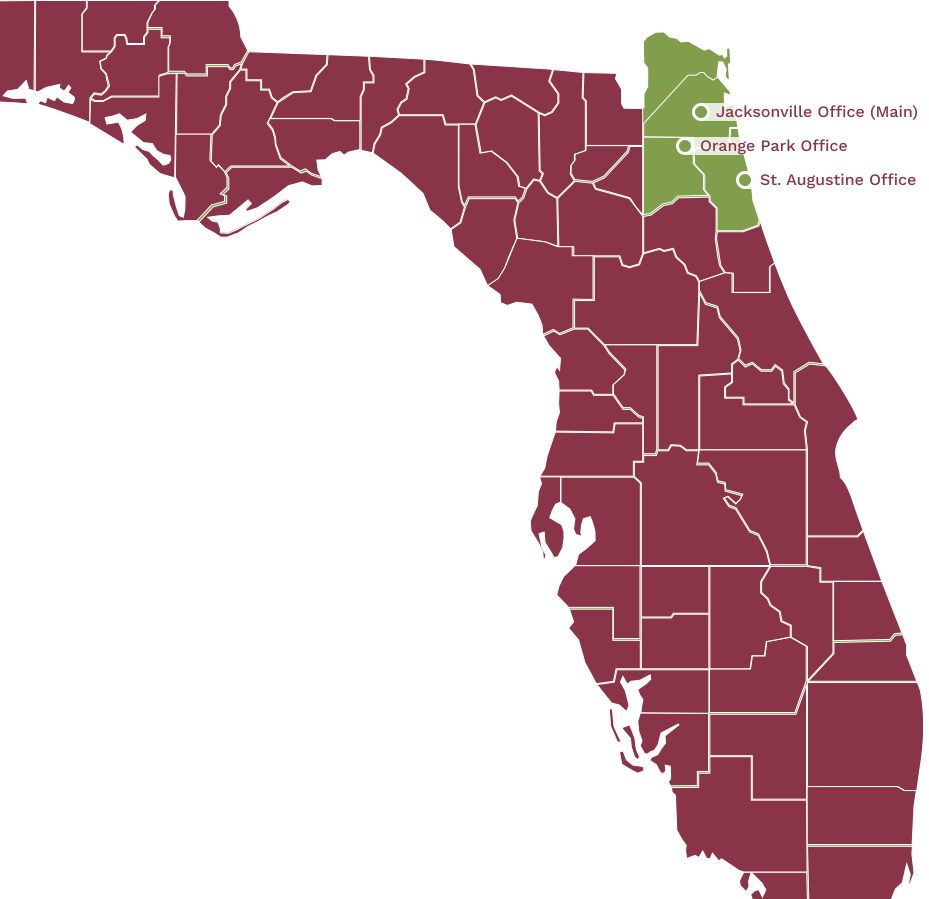
At Berg Bryant Elder Law Group, our Florida Board Certified Elder Law Attorneys guide personal representatives through estate administration for families in Duval, Nassau, St. Johns, and Clay Counties.
If you have been named and are unsure what comes next, contact our office and tell us about the estate.
This article is for general information and is not legal advice. Speak with one of our elder law professionals about your responsibilities.
Author Bio

Kellen Bryant, Esq.
Founder
Florida Bar Board Certified Elder Law Attorney, Kellen Bryant focuses his law practice on advising and helping caregivers with a particular focus on asset protection and preservation from long-term care costs, creditors, and predators. Kellen Bryant is AV Preeminent® Rated, meaning his attorney peers rated him at the highest level of professional excellence. Kellen Bryant was nominated and selected as a Super Lawyer, Rising Star: 2022.