Ask three Florida probate attorneys what they charge and you may get three different structures: a percentage of the estate, an hourly rate, or a flat fee. All three can be legitimate. Only one of them is written into the statute, and even that one is a starting point rather than a price.
Understanding how much probate attorneys charge in Florida begins with a fact most families never hear: there is no mandatory statutory attorney fee for estate administration. The percentage schedule everyone quotes creates a presumption, and the law requires your attorney to tell you in writing that the fee is negotiable.
What Do Probate Attorneys Charge in Florida?
Florida attorneys generally use one of three billing methods for estate administration.
- Percentage of the estate, based on the schedule that Florida law presumes reasonable
- Hourly billing, common for smaller estates and for work that does not fit a percentage
- Flat fee, often used for summary administration or predictable matters
Which one costs less depends entirely on the estate. A large estate with simple assets frequently costs far less hourly than by percentage. A small estate with scattered records can run the other way.
What Is the Statutory Fee Schedule for Florida Probate Attorneys?
Florida Statute 733.6171 sets fees presumed reasonable for ordinary services in a formal administration, calculated on the compensable value of the estate:
- $1,500 for estates valued at $40,000 or less
- An additional $750 for estates above $40,000 up to $70,000
- An additional $750 for estates above $70,000 up to $100,000
- 3 percent of the next $900,000 for estates above $100,000
- 2.5 percent of value above $1 million up to $3 million
- 2 percent above $3 million up to $5 million
- 1.5 percent above $5 million up to $10 million
- 1 percent above $10 million
Compensable value generally means the inventory value of the probate assets plus income earned during administration. On a $400,000 probate estate, the presumed fee works out to $3,000 plus 3 percent of $300,000, or $12,000.
What Disclosures Must a Florida Probate Attorney Give You?
If an attorney intends to bill from that schedule, Florida law requires written disclosure, signed by you, that:
- There is no mandatory statutory attorney fee for estate administration.
- The fee is not required to be based on the size of the estate, and the presumed reasonable fee may not be appropriate in every administration.
- The fee is subject to negotiation between you and the attorney.
- You select the attorney. You are not required to hire the lawyer who drafted the will.
- You are entitled to a summary of services performed, including total hours or a detailed description of the work.
An attorney who does not make these disclosures cannot be paid without court approval or the written consent of all interested parties. If nobody has handed you this document and a percentage fee is on the table, ask for it.
What Counts as Extraordinary Services?
The schedule covers ordinary administration. Work outside that scope is billed separately, and this is where estimates and final bills diverge most.
Services commonly treated as extraordinary include:
- Selling real property on behalf of the estate
- Handling federal estate tax matters
- Managing or closing a business the decedent owned
- Proceedings involving the elective share or homestead determinations
- Dealing with complex or disputed creditor claims
- Ancillary administration for out-of-state property
- Involvement in a proceeding to enforce the personal representative’s authority, a category added effective July 1, 2026
None of these are unusual. A single home sale can move an estate out of the ordinary category, so ask upfront how the firm defines extraordinary work and how it will be billed.
What Else Gets Paid From the Estate?
Attorney fees are one line item. Families budgeting for administration should also account for:
- Court filing fees, which vary by county and by administration type
- Personal representative compensation, presumed reasonable under Florida Statute 733.617 at 3 percent of the first $1 million of compensable value, with lower tiers above that
- Publication costs for the notice to creditors
- Certified copies, appraisals, and accounting fees
- Bond premiums, when a bond is required
A family member serving as personal representative often waives the commission, which meaningfully reduces total cost. That choice carries tax considerations worth discussing first.
How Can You Keep Attorney Fees Reasonable?
Fees respond to preparation more than most families expect.
- Ask for a written fee agreement before work begins, and ask which structure the firm recommends for your specific estate.
- Request an hourly or flat-fee quote alongside the percentage so you can compare.
- Confirm which administration applies. Summary administration involves far less work than formal administration and should cost accordingly.
- Arrive organized. Deeds, statements, titles, policies, and bills in order shorten the work.
- Consolidate communication. One family point of contact costs less than five relatives calling separately.
- Ask what triggers extraordinary fees before you agree to anything.
You can read more about how the two administration tracks differ on our probate page.
What Florida Families Should Expect to Pay for Probate Counsel
Florida probate attorneys charge by percentage, hourly, or flat fee, and the statutory schedule is a presumption you are entitled to negotiate away from. Extraordinary services, filing fees, and the personal representative’s commission sit on top of the base fee.
The families who pay the least are the ones who ask for the fee structure in writing, understand what counts as extraordinary, and come prepared. Better still is planning that keeps most assets out of probate entirely, which our page on trusts explains.
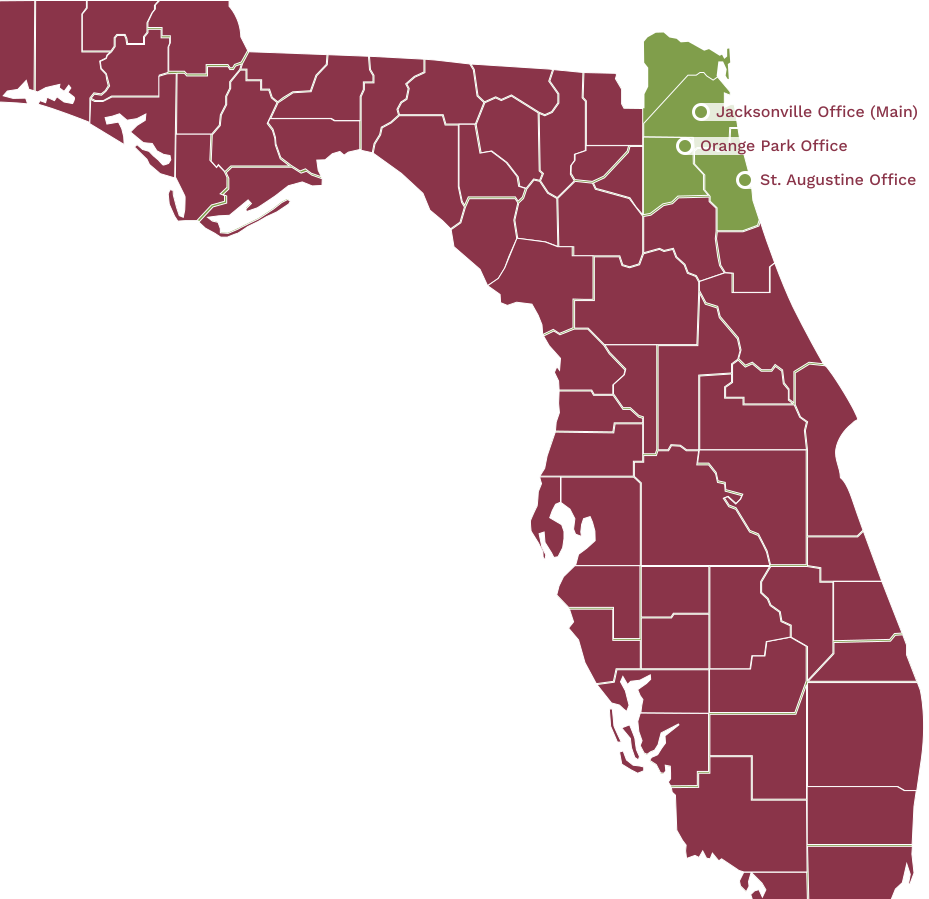
At Berg Bryant Elder Law Group, our Florida Board Certified Elder Law Attorneys discuss fees openly before the work starts, for families throughout Duval, Nassau, St. Johns, and Clay Counties.
For a clear picture of what your estate involves, contact our office and tell us about the situation.
This article is for general information and is not legal advice. Fees depend on the specific estate, so speak with one of our elder law professionals.
Author Bio

Kellen Bryant, Esq.
Founder
Florida Bar Board Certified Elder Law Attorney, Kellen Bryant focuses his law practice on advising and helping caregivers with a particular focus on asset protection and preservation from long-term care costs, creditors, and predators. Kellen Bryant is AV Preeminent® Rated, meaning his attorney peers rated him at the highest level of professional excellence. Kellen Bryant was nominated and selected as a Super Lawyer, Rising Star: 2022.