Probate is not a disaster. It is a court process with filing fees, deadlines, public records, and months of waiting. Most families who go through it once decide they would rather their own children skip it.
Learning how to avoid probate in Florida is mostly about how assets are titled and who is named on them. Probate only touches property that has no other legal path to a new owner. Give each asset a path, and the court has nothing left to administer.
What Are the Best Ways to Avoid Probate in Florida?
Five tools do most of the work for Florida families:
- A funded revocable living trust
- Beneficiary designations on accounts and policies
- Payable-on-death and transfer-on-death registrations
- Joint ownership with rights of survivorship
- An enhanced life estate deed, often called a lady bird deed
Each has trade-offs. Used carelessly, some create bigger problems than the probate they were meant to avoid. Used correctly, they can move nearly an entire estate outside of court.
How Does a Revocable Living Trust Avoid Probate?
A revocable living trust is the most flexible option, and the most commonly misunderstood.
You create the trust, name yourself trustee, and transfer assets into it. You keep full control while you are alive and well, can amend or revoke it at any time, and name a successor trustee to take over at your death or incapacity. Because the trust owns the assets, there is nothing for probate to administer.
The advantages:
- Keeps administration private, unlike a will, which becomes a public record
- Handles incapacity, letting your successor trustee step in without a guardianship
- Works across state lines, avoiding a separate ancillary probate for out-of-state property
- Allows staged distributions rather than handing a lump sum to a young beneficiary
The catch is funding. A trust document that is signed but never funded avoids nothing. Deeds must be recorded and accounts retitled. An unfunded trust is the single most common failure we see.
Note that a revocable trust does not protect assets from creditors or from long-term care costs. That requires a different structure, such as an irrevocable asset protection trust.
Which Accounts Pass Outside Probate Automatically?
Some assets never touch probate as long as the paperwork is current.
- Life insurance pays to the named beneficiary
- Retirement accounts, including IRAs and 401(k) plans pass by designation
- Annuities follow their beneficiary forms
- Payable-on-death bank accounts transfer to the named person at death
- Transfer-on-death brokerage accounts work the same way for investments
The designation beats your will. If your will leaves everything to your children but an old policy still names an ex-spouse, the ex-spouse collects. Review these after every marriage, divorce, birth, or death in the family.
Two cautions. Naming a minor directly creates a court-supervised guardianship of the property. And naming someone who receives needs-based benefits can disqualify them, which is where a special needs trust belongs instead.
Does Joint Ownership Avoid Probate in Florida?
It can, and it is the option most likely to backfire.
Property held jointly with rights of survivorship, or by a married couple as tenants by the entireties, passes automatically to the surviving owner. No probate required. For spouses, this is usually sensible.
Adding an adult child to a deed or bank account is a different story. The risks include:
- Exposure to the child’s creditors, divorce, or lawsuit
- Loss of the stepped-up basis that heirs would otherwise receive, creating capital gains tax
- Unintended disinheritance of your other children, since the joint owner keeps everything
- Medicaid transfer penalties, because adding a co-owner can count as a gift within the five-year look-back
- Loss of control, since you may need the co-owner’s signature to sell or refinance
Families reach for this because it is free and quick. It is frequently the most expensive shortcut available.
What Is a Lady Bird Deed and Why Is It Popular in Florida?
Florida is one of a small number of states that recognizes the enhanced life estate deed, known as a lady bird deed.
It lets you keep full control of your home during your lifetime, including the right to sell, mortgage, or change your mind, while naming who receives it automatically at your death. Unlike a traditional life estate deed, you do not need the remainder beneficiary’s permission to act.
Why Florida families use it:
- The home passes outside probate
- You retain the homestead exemption and full control
- Heirs generally receive a stepped-up basis
- It is not treated as a completed gift, so it does not create the transfer penalty problems that outright gifting does
It is not right for everyone. Homestead descent rules, blended families, and mortgages all affect whether it fits, which is why the deed should be drafted rather than downloaded.
What Still Goes Through Probate Anyway?
Even good planning leaves loose ends. Assets that typically still require administration:
- Accounts titled in the decedent’s sole name with no beneficiary
- Vehicles or property never retitled into the trust
- Personal property of significant value
- A beneficiary designation naming the estate itself
- Assets discovered after the fact
Small estates may qualify for summary administration, available when the estate subject to administration, less property exempt from creditors’ claims, does not exceed $75,000, or when the decedent has been dead more than two years.
Keeping Your Family Out of Florida Probate Court
Avoiding probate in Florida comes down to giving every asset a destination: a funded trust, a current beneficiary designation, a survivorship title, or a properly drafted deed. The tools are not exotic. The failures come from trusts that were never funded and designations that were never updated.
Done well, the result is a family that inherits without a courthouse, a public file, or a year of waiting.
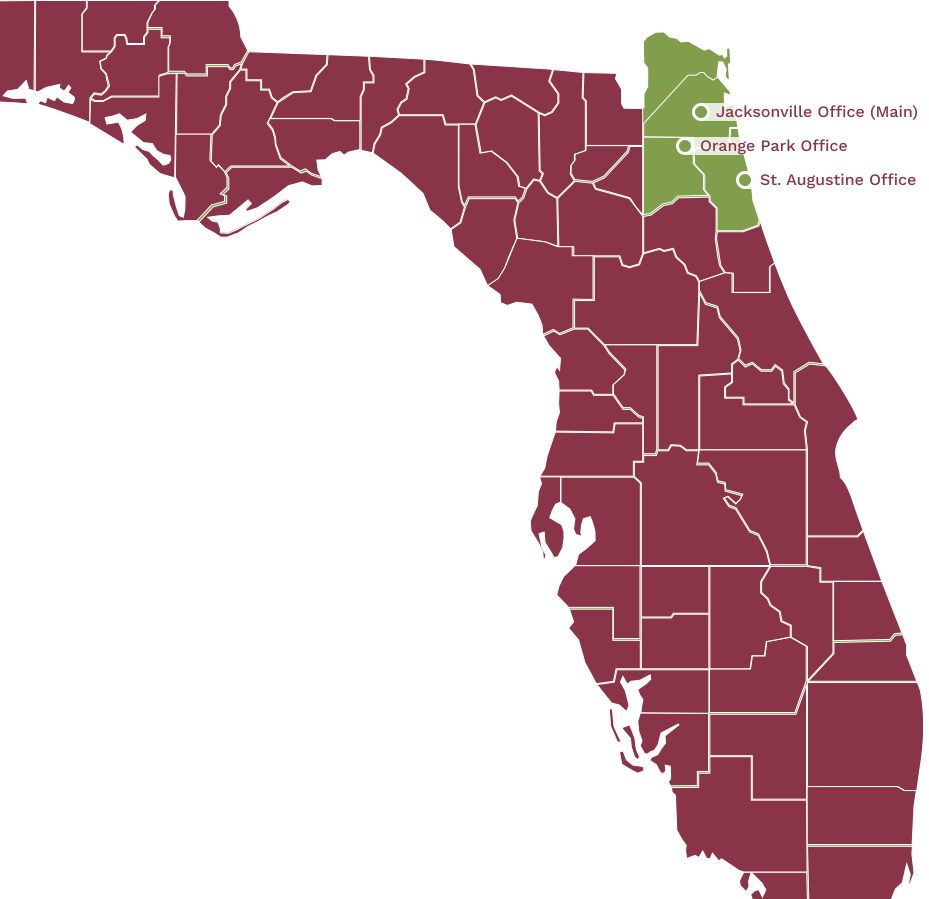
At Berg Bryant Elder Law Group, our Florida Board Certified Elder Law Attorneys build plans that keep assets out of probate for families in Duval, Nassau, St. Johns, and Clay Counties, and we handle probate when it cannot be avoided.
To review how your assets are titled, contact our office and tell us what you own.
This article is for general information and is not legal advice. The right approach depends on your assets and family, so speak with one of our elder law professionals.
Author Bio

Kellen Bryant, Esq.
Founder
Florida Bar Board Certified Elder Law Attorney, Kellen Bryant focuses his law practice on advising and helping caregivers with a particular focus on asset protection and preservation from long-term care costs, creditors, and predators. Kellen Bryant is AV Preeminent® Rated, meaning his attorney peers rated him at the highest level of professional excellence. Kellen Bryant was nominated and selected as a Super Lawyer, Rising Star: 2022.