Most families searching for this answer have already been quoted a number, and it was bigger than expected. What almost nobody tells them is that the number is negotiable, and Florida law requires the attorney to say so in writing.
Understanding how much probate costs in Florida starts with knowing that the fee schedules in the statutes are presumptions, not price tags. There is no mandatory statutory attorney fee for estate administration. Knowing what the law actually says puts you in a much stronger position before you sign anything.
What Does Probate Cost in Florida?
Probate costs come from four buckets, and only one of them is fixed.
- Court filing fees, which vary by county and by the type of administration
- Attorney fees, which are negotiable and often the largest single cost
- Personal representative compensation, which a family member may waive
- Other expenses, including publication of the notice to creditors, certified copies, appraisals, accounting fees, and bond premiums
For a modest, uncomplicated estate, the total is often a few thousand dollars. For a large or contested estate, it can climb well into five figures. The variables that matter most are estate size, whether anyone objects, and whether real property or a business is involved.
What Are the Statutory Attorney Fees for Florida Probate?
Florida Statute 733.6171 sets out a schedule of fees that are presumed reasonable for ordinary services in a formal administration, based on the compensable value of the estate:
- $1,500 for estates valued at $40,000 or less
- An additional $750 for estates over $40,000 up to $70,000
- An additional $750 for estates over $70,000 up to $100,000
- 3 percent on the next $900,000 for estates above $100,000
- 2.5 percent on value above $1 million up to $3 million
- 2 percent above $3 million up to $5 million
- 1.5 percent above $5 million up to $10 million
- 1 percent above $10 million
Compensable value means the inventory value of the probate assets plus income earned during administration. Extraordinary services, such as a will contest, an elective share proceeding, tax work, or the sale of real property, are billed separately.
What Must a Probate Attorney Disclose About Fees?
This is the part that changes the conversation, and most families never hear it.
If an attorney intends to charge based on that statutory schedule, Florida law requires them to disclose to you in writing that:
- There is no mandatory statutory attorney fee for estate administration.
- The fee is not required to be based on the size of the estate, and the presumed reasonable fee may not be appropriate in every administration.
- The fee is subject to negotiation between you and the attorney.
- You choose the attorney. You are not required to hire the lawyer who prepared the will.
- You are entitled to a summary of services at the end of the representation, showing total hours or a detailed description of the work performed.
The attorney must get your signature acknowledging these disclosures. If they do not make them, they cannot be paid without court approval or the written consent of all interested parties.
An interested person can also ask the court to increase or decrease the fee based on factors including the complexity of the administration, the skill and promptness of the attorney, and the benefit to the estate.
How Much Does the Personal Representative Get Paid?
A personal representative is entitled to a commission from estate assets for ordinary services. Under Florida Statute 733.617, a commission based on the compensable value of the estate is presumed reasonable at:
- 3 percent for the first $1 million
- 2.5 percent above $1 million up to $5 million
- 2 percent above $5 million up to $10 million
- 1.5 percent above $10 million
Extraordinary services earn additional reasonable compensation. A family member serving as personal representative frequently waives the commission, particularly when they are also a beneficiary and would simply be moving money from one pocket to another, with tax consequences to consider.
Why Do Probate Costs Vary So Much Between Estates?
Two estates of similar size can cost very different amounts. What drives the difference:
- Conflict. A will contest or a fight among beneficiaries adds hearings, discovery, and extraordinary fees.
- Real property. Selling a home during administration, or resolving homestead status, adds work.
- Creditor claims. Disputed claims require litigation to resolve.
- Type of administration. Summary administration is markedly cheaper than formal administration and is available when the estate subject to administration, less property exempt from creditors’ claims, does not exceed $75,000, or when the decedent has been dead more than two years.
- Recordkeeping. Estates with missing documents or unclear assets take longer to sort out.
How Can Families Reduce What Probate Costs?
Some savings come during administration. The bigger savings come before death.
Steps that reduce cost:
- Ask for a written fee agreement and discuss alternatives to the percentage schedule, such as hourly or flat fees.
- Consider waiving the personal representative commission where it makes sense.
- Determine whether summary administration applies before opening a formal case.
- Stay organized. Providing complete records shortens the work and the bill.
- Plan ahead. A funded revocable trust, coordinated beneficiary designations, and proper titling can keep assets out of probate entirely.
What Florida Probate Really Costs Your Family
Probate expenses in Florida come down to filing fees, attorney compensation, the personal representative’s commission, and administrative costs. The statutory schedules are presumptions you can negotiate away from, and the law requires your attorney to tell you that in writing.
The most reliable way to control the cost is to reduce what has to pass through probate in the first place.
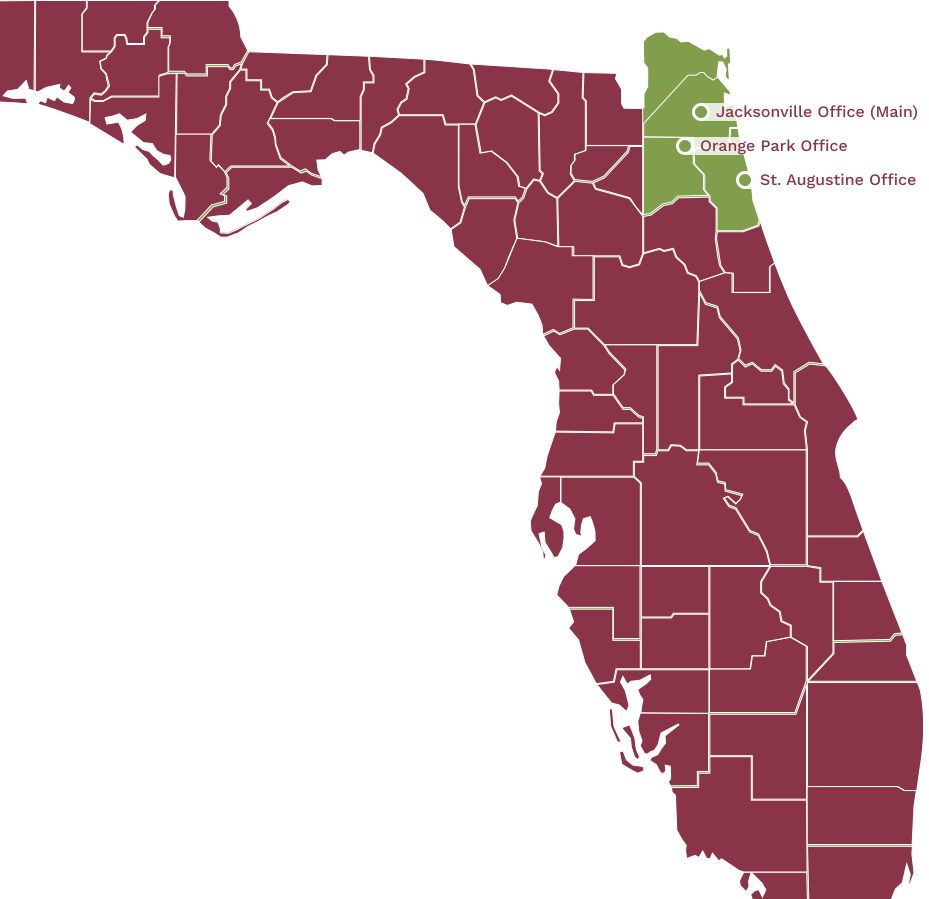
At Berg Bryant Elder Law Group, our Florida Board Certified Elder Law Attorneys handle probate and estate administration for families throughout Duval, Nassau, St. Johns, and Clay Counties, with fees discussed openly before the work begins.
To get a clear picture of what your situation involves, contact our office and tell us about the estate.
This article is for general information and is not legal advice. Fees depend on the specific estate, so speak with one of our elder law professionals about your circumstances.
Author Bio

Kellen Bryant, Esq.
Founder
Florida Bar Board Certified Elder Law Attorney, Kellen Bryant focuses his law practice on advising and helping caregivers with a particular focus on asset protection and preservation from long-term care costs, creditors, and predators. Kellen Bryant is AV Preeminent® Rated, meaning his attorney peers rated him at the highest level of professional excellence. Kellen Bryant was nominated and selected as a Super Lawyer, Rising Star: 2022.