Jewelry disappears before the inventory is filed. A bank account that had a balance last spring is empty. The sibling holding the checkbook stops answering questions. By the time the rest of the family compares notes, months have passed.
Knowing what to do when a family member steals from an estate matters because Florida gives interested persons real remedies, and because most of those remedies depend on acting while records still exist and assets can still be traced. Waiting is what turns a recoverable loss into a permanent one.
What Can You Do If Someone Is Stealing From an Estate?
You have several routes, and they are not mutually exclusive.
- Demand an accounting of what the estate holds and what has been spent
- Object to the inventory or accounting filed with the court
- Petition to remove the personal representative and appoint a successor
- Seek a surcharge, meaning a money judgment against the fiduciary for the loss
- Bring a civil theft or conversion claim against whoever took the property
- Report suspected exploitation of a vulnerable adult to the authorities
- Ask the court for injunctive relief to freeze assets before more disappears
Which combination fits depends on whether the person taking assets is the personal representative or a relative acting with no authority at all.
Who Has the Right to Complain?
Standing matters. Florida limits who can be heard to “interested persons,” meaning anyone who may reasonably be expected to be affected by the outcome of the proceeding.
That generally includes:
- Beneficiaries named in the will
- Heirs at law when there is no will
- Creditors of the estate
- A surviving spouse claiming statutory rights
If you fall into one of those categories, you can object to filings, petition for removal, and seek a surcharge. If you do not, your first step is usually establishing that you do.
What If the Personal Representative Is the Problem?
This is the most common version of the story, and Florida law addresses it directly.
Removal. Under Florida Statute 733.504, a court may remove a personal representative and revoke the letters for causes including failure to comply with a court order, failure to account for the sale of property or to produce and exhibit estate assets when required, waste or mismanagement of the estate, and holding or acquiring interests adverse to the estate.
Surcharge. Under Florida Statute 733.609, a personal representative’s fiduciary duty is the same as that of a trustee of an express trust, and the representative is liable to interested persons for damage or loss resulting from a breach. The statute directs the court to award taxable costs, including attorney fees, in breach of fiduciary duty actions. The court may order that payment from the person’s share of the estate, from their other property, or both.
Two more provisions help. Florida Statute 733.610 governs sales and other transactions involving a conflict of interest, which reaches self-dealing. Florida Statute 733.6175 lets the court review the employment of agents and the compensation paid to the personal representative, which is how inflated fees get unwound. These sit in Part VI of Chapter 733.
Importantly, recovery under the surcharge statute is measured by the actual damage or loss caused by the breach. Gains and offsets count, so documentation of what was taken and what it was worth is central.
What If a Relative With No Authority Took Property?
Sometimes the person emptying the house is not the personal representative at all. They simply had a key.
The personal representative has the right to possess the decedent’s property subject to administration. A relative who removes or sells estate property without authority may be liable for conversion. Florida also provides a civil remedy for theft under Florida Statute 772.11, which can allow treble damages when the conduct meets the criminal theft standard and the statutory demand requirements are satisfied.
If the taking happened while your loved one was still alive and vulnerable, that is a different and often more serious problem. Exploitation of an elderly person or disabled adult is a criminal offense in Florida, and suspected abuse, neglect, or exploitation can be reported to the Florida Department of Children and Families abuse hotline.
What Should You Do First?
Move on evidence before you move on accusations.
- Preserve records. Gather bank and brokerage statements, deeds, titles, closing documents, and any texts or emails about the assets.
- Document what is missing. Photographs, appraisals, prior inventories, and insurance schedules all help establish what existed.
- Request the inventory and accounting through the estate proceeding rather than through a family argument.
- Avoid confrontation that tips them off. Warning someone before assets are secured can accelerate the loss.
- Watch the deadlines. Objections to accountings and petitions in the estate carry time limits, and delay can waive rights.
- Talk to a probate attorney early. Emergency relief is available, but it works best before the money moves again.
Can Families Prevent This From Happening?
Often, yes, and prevention is far cheaper than litigation.
- Choose the fiduciary carefully. The most available relative is not always the right one.
- Require a bond where circumstances warrant it.
- Name a neutral or professional fiduciary in families with a history of conflict.
- Use a funded trust with clear reporting duties to a named group of beneficiaries.
- Insist on transparency while your parent is alive, including annual review of accounts by more than one person.
- Act early on financial exploitation warning signs, such as new joint owners, unusual withdrawals, or a new “helper” managing money.
Protecting an Estate From a Relative Who Is Taking Assets
Florida gives interested persons meaningful tools when a family member takes from an estate: removal of the personal representative, a surcharge for the loss, conflict-of-interest review, conversion and civil theft claims, and reporting where exploitation is suspected. What those tools require is evidence and reasonable speed.
If something feels wrong with an estate you have an interest in, the right first step is documentation, not a confrontation at the funeral.
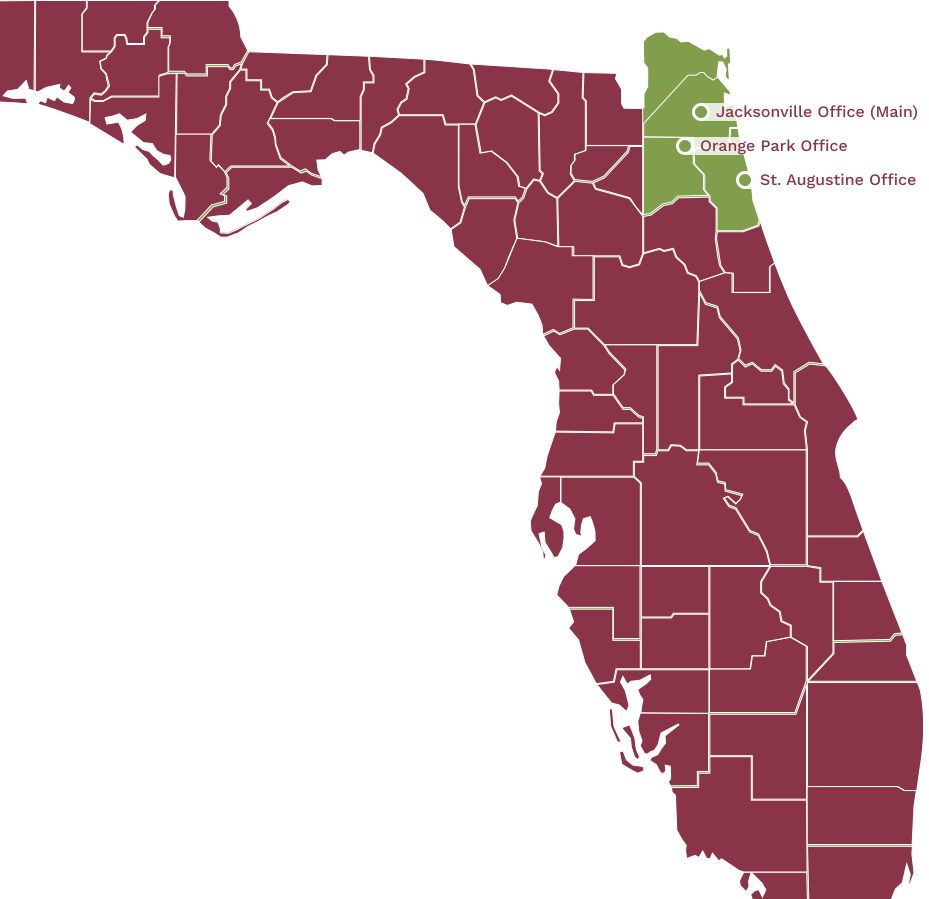
At Berg Bryant Elder Law Group, our Florida Board Certified Elder Law Attorneys represent families in estate administration disputes throughout Duval, Nassau, St. Johns, and Clay Counties.
If you suspect assets are disappearing, contact our office and tell us what you have seen.
This article is for general information and is not legal advice. If you suspect exploitation of a vulnerable adult, contact the Florida Department of Children and Families abuse hotline. For legal guidance, speak with one of our elder law professionals.
Author Bio

Kellen Bryant, Esq.
Founder
Florida Bar Board Certified Elder Law Attorney, Kellen Bryant focuses his law practice on advising and helping caregivers with a particular focus on asset protection and preservation from long-term care costs, creditors, and predators. Kellen Bryant is AV Preeminent® Rated, meaning his attorney peers rated him at the highest level of professional excellence. Kellen Bryant was nominated and selected as a Super Lawyer, Rising Star: 2022.