The notice usually arrives with almost no warning. A form is handed to a family member in a hallway, coverage ends in two days, and the facility says your mother has plateaued. Most families assume the decision is final. It is not.
Knowing what happens when Medicare stops paying for rehab matters because you have appeal rights with a deadline measured in hours, and because the most common reason given for ending coverage is one that Medicare is not allowed to use by itself. Acting on the day you receive the notice is what preserves both.
What Happens When Medicare Stops Covering Rehab?
You receive a written Notice of Medicare Non-Coverage, the facility stops billing Medicare on the stated date, and you become responsible for the cost of any continued stay.
The notice must be given at least two calendar days before Medicare-covered services are scheduled to end. It tells you the last covered day, a brief reason, and the phone number for the organization that reviews appeals.
Three things can happen next:
- You appeal and coverage may continue during the review
- You pay privately and remain in the facility
- You leave, returning home with other services or moving to a different level of care
The one option that costs you nothing to try is the appeal.
How Do You File a Fast Appeal?
Medicare provides an expedited appeal, sometimes called a fast-track appeal, handled by an independent Beneficiary and Family-Centered Care Quality Improvement Organization.
The steps:
- Call the phone number printed on your notice by noon of the day before coverage is scheduled to end. This deadline is short and strictly applied.
- Ask for the Detailed Explanation of Non-Coverage. After you appeal, the facility must provide this written statement of its clinical reasoning.
- Get support from the treating physician. A doctor’s documentation that skilled care is still needed carries real weight with the reviewer.
- Wait for the decision, which generally comes quickly, often by close of business the day after the reviewer has the information it needs.
If you file before coverage ends, you generally will not be billed for the disputed services while the review is pending. Medicare explains the process on its fast appeals page.
If the reviewer agrees with the facility, further levels of appeal exist, though you become financially responsible for the continued stay during them.
Why Is “Not Improving” the Wrong Reason to End Coverage?
This is the single most useful thing for a family to know.
For years, facilities widely believed Medicare required a patient to be improving for skilled care to remain covered. That belief was wrong, and a federal settlement in Jimmo v. Sebelius confirmed that Medicare coverage does not turn on a beneficiary’s potential for improvement.
Skilled care can be covered when it is needed to maintain a person’s current condition or to slow decline, not only when the person is getting better. Someone with Parkinson’s disease, advanced multiple sclerosis, or a stroke may plateau and still require the skills of a licensed nurse or therapist.
Practical takeaways:
- Phrases like “plateaued,” “not progressing,” or “reached maximum potential” are not valid standalone reasons to end skilled coverage
- The real question is whether the services require the skill of a nurse or therapist, not whether the patient is improving
- Raise this explicitly in your appeal and ask that it be applied
Awareness of this rule remains uneven among providers, so families often have to be the ones to bring it up.
What Should You Do the Day the Notice Arrives?
Speed matters more than anything else here.
- Read the notice immediately and write down the last covered date and the appeal phone number
- Call the number the same day rather than waiting until the deadline
- Talk to the therapists and nurses about what skilled services are still being delivered
- Ask the physician for a written statement supporting continued skilled need
- Gather therapy notes and progress records that show what care requires professional skill
- Keep a log of every call, the time, and who you spoke with
Do not rely on the facility to file for you, and do not assume that a discharge planner’s opinion settles the question.
What If the Appeal Does Not Succeed?
Sometimes skilled care genuinely is finished, and the person still cannot go home safely. That is a care and funding question rather than a coverage dispute.
The options at that point:
- Private pay at the facility, which in Florida often exceeds thirteen thousand dollars a month
- Home care with family support, if the home is safe and the need is custodial
- Assisted living, for someone who needs help but not skilled nursing
- Long-term care Medicaid, for those who meet Florida’s financial and level-of-care rules
- Veterans benefits, for eligible wartime veterans and surviving spouses
Long-term care Medicaid is where most Florida families land, and it is a separate program from Medicare with its own rules. Our page on 2026 Medicaid income and asset limits sets out the current figures, and Florida reviews 60 months of financial history when someone applies.
The worst move is a panicked transfer of money to family during the discharge week. That is exactly the kind of transaction that creates a penalty period. Even at this stage, crisis planning can protect a meaningful portion of savings when it is done correctly.
Your Options After Medicare Rehab Coverage Ends
When Medicare stops paying for rehab, you have a short window to file a free expedited appeal, and a strong argument if the stated reason is simply that your loved one is not improving. File first, then plan.
If the coverage truly has ended, the question shifts to how ongoing care gets paid for, and that decision is better made with guidance than under discharge-day pressure.
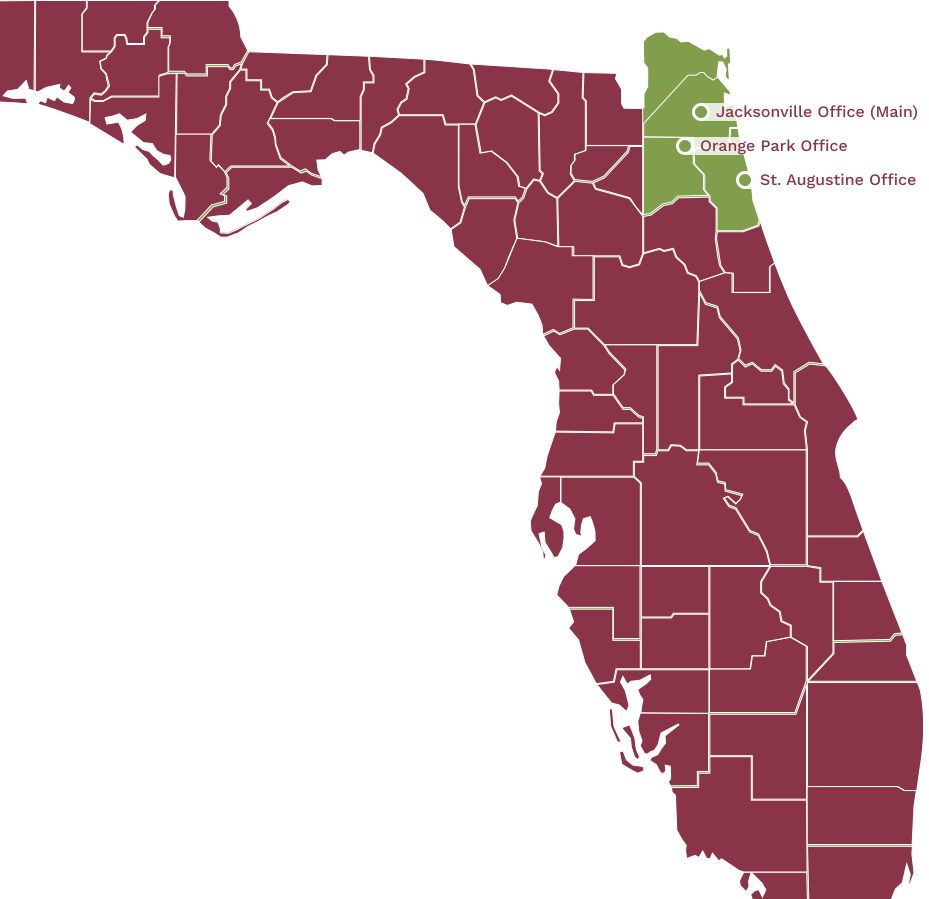
At Berg Bryant Elder Law Group, our Florida Board Certified Elder Law Attorneys help families in Duval, Nassau, St. Johns, and Clay Counties plan for care after Medicare coverage ends.
If you have received a non-coverage notice, contact our office and tell us what the facility has said.
This article is for general information and is not legal or medical advice. Appeal deadlines are short, so act on the notice immediately and speak with one of our elder law professionals about paying for continued care.
Author Bio

Kellen Bryant, Esq.
Founder
Florida Bar Board Certified Elder Law Attorney, Kellen Bryant focuses his law practice on advising and helping caregivers with a particular focus on asset protection and preservation from long-term care costs, creditors, and predators. Kellen Bryant is AV Preeminent® Rated, meaning his attorney peers rated him at the highest level of professional excellence. Kellen Bryant was nominated and selected as a Super Lawyer, Rising Star: 2022.