Guardianship is often described as all or nothing, as though a court either leaves someone fully in charge of their life or takes every decision away. Florida law does not work that way, and families who assume it does frequently pursue far more authority than their loved one’s situation calls for.
Limited guardianship in Florida is the middle option. The court removes only the specific rights the person cannot exercise and leaves everything else with them. For an adult who can still handle daily life but cannot manage money, or who can make personal choices but cannot handle a lawsuit, it is often the right fit.
What Is Limited Guardianship and How Does It Work?
Florida Statute 744.102 defines a limited guardian as a guardian appointed by the court to exercise only the legal rights and powers specifically designated by court order. That order comes after the court finds the ward lacks the capacity to do some, but not all, of the tasks necessary to care for their person or property. It can also follow a person’s voluntary petition for a limited guardian.
The defining feature is what happens to everything not named in the order. A person for whom a limited guardian has been appointed retains all legal rights except those the court specifically granted to the guardian.
Compare that to a plenary guardian, who exercises all of the ward’s delegable rights after a finding that the person cannot perform any of the tasks needed to care for themselves or their property. Limited guardianship starts from preservation. Plenary guardianship starts from transfer.
Which Rights Can a Court Remove in Florida?
Florida Statute 744.3215 organizes rights into categories, and understanding them explains how a limited guardianship is built.
Rights every incapacitated person keeps, including the right:
- To an annual review of the guardianship report and plan
- To continuing review of whether restrictions on their rights are still needed
- To be restored to capacity at the earliest possible time
- To be treated humanely, with dignity and respect, and protected from abuse, neglect, and exploitation
- To remain as independent as possible, with their preferences about where and how they live honored where feasible
Rights a court may remove but not delegate to a guardian, including the right to marry, vote, personally apply for government benefits, hold a driver license, travel, and seek or retain employment. If the right to contract is removed, the right to marry becomes subject to court approval.
Rights a court may remove and delegate to the guardian, including the right to contract, sue and defend lawsuits, manage property, determine residence, consent to medical treatment, make health care decisions, and make decisions about social environment.
A limited guardianship is essentially a court order that draws from that third category only where necessary.
When Does Limited Guardianship Make Sense?
It fits when capacity is uneven, which describes many people more accurately than total incapacity does.
Common situations include:
- An adult who manages daily life but has become vulnerable to financial scams
- Someone with early-stage dementia who can still express clear preferences about care and housing
- A person recovering from a stroke or brain injury who needs help temporarily in specific areas
- An adult with a mental health condition that affects some decisions but not others
- Someone who voluntarily petitions for help managing property while keeping personal autonomy
The dividing line is not how sympathetic the situation is. It is whether the person genuinely cannot perform certain tasks while remaining capable of others.
How Is Limited Guardianship Different From Guardian Advocacy?
These two get confused constantly, and the distinction is important.
- Limited guardianship happens under Chapter 744 and requires the court to adjudicate the person incapacitated, typically after a three-member examining committee evaluates them. The incapacity finding is limited to the specific rights the person cannot exercise.
- Guardian advocacy happens under Florida Statute 393.12 and requires no adjudication of incapacity at all. It is available only for a person with a developmental disability that appeared before age 18.
Both preserve rights that are not specifically assigned to the guardian. The difference is eligibility and whether the person is ever declared incapacitated. For a young adult with autism or Down syndrome, guardian advocacy is usually the better route. For an older adult whose capacity declined later in life, limited guardianship under Chapter 744 is the available option.
Why Does Florida Law Prefer the Least Restrictive Option?
Florida’s guardianship framework is built to take as little as necessary. That principle appears throughout the statutes.
A court determining incapacity must consider the person’s unique needs and abilities and may remove only the rights the person lacks capacity to exercise. The order must state the exact nature and scope of the incapacity, and the person retains all rights not specifically removed.
The court must also consider whether an alternative would sufficiently address the problems. If one exists, a guardian may not be appointed at all. Alternatives include a durable power of attorney, a health care surrogate designation, a trust, or supported decision-making.
Before pursuing any guardianship, ask whether documents your loved one already signed, or could still sign, would solve the problem without going to court.
What Duties Does a Limited Guardian Have?
A limited guardian carries the same fiduciary obligations as any Florida guardian, scaled to the authority granted.
Ongoing responsibilities include:
- Completing guardian training, generally a minimum of 8 hours within 4 months of appointment
- Filing an initial report within 60 days after letters of guardianship are signed
- Filing annual reports, an annual guardianship plan for the person or an annual accounting for the property
- Getting court approval before certain major actions
- Acting only within the order, because authority not granted does not exist
Guardianships also receive annual judicial review of whether the arrangement remains appropriate, and the ward retains the right to seek restoration of capacity.
Choosing a Limited Guardianship for a Florida Loved One
Limited guardianship gives Florida families a way to protect someone in the areas where they are genuinely vulnerable without stripping away the independence they still have. The court names specific rights, the guardian exercises only those, and everything else stays with the person.
That balance takes careful drafting. A petition that asks for too much can remove rights your loved one is fully capable of exercising, and one that asks for too little may leave a real gap.
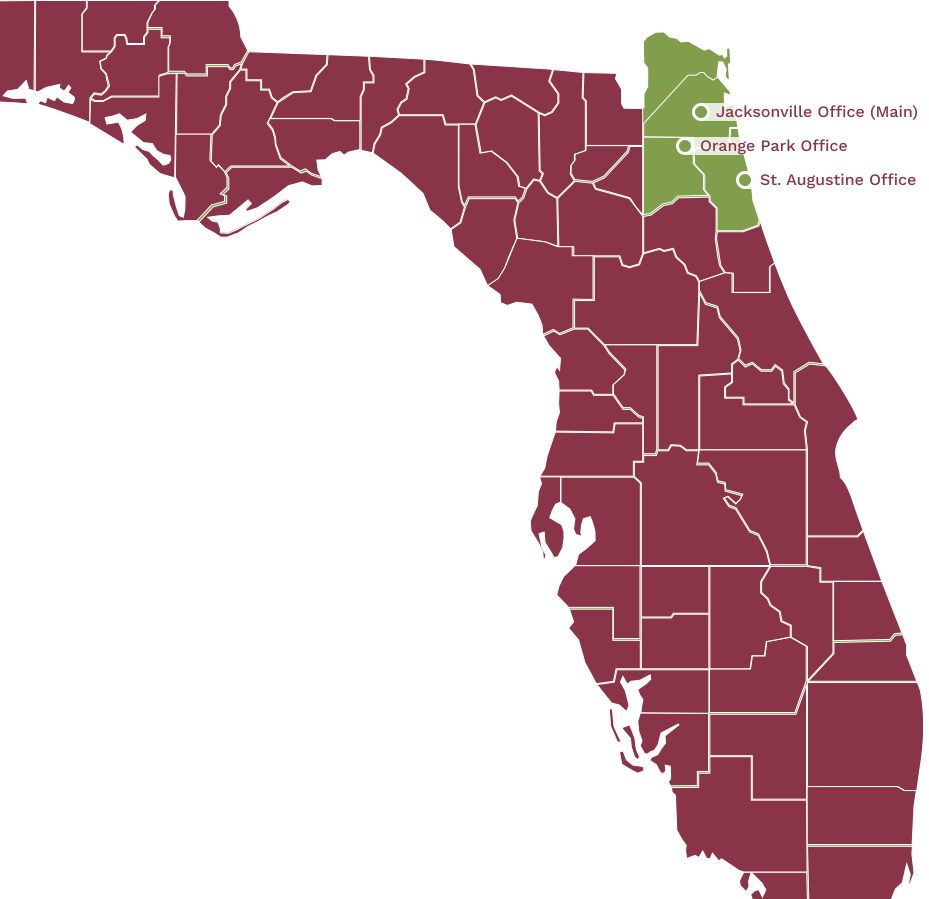
At Berg Bryant Elder Law Group, our Florida Board Certified Elder Law Attorneys help Northeast Florida families choose between limited guardianship, plenary guardianship, guardian advocacy, and alternatives that avoid court.
If someone you love needs help in some areas but not all of them, contact our office and tell us about their situation. We can help you find the least restrictive option that still protects them.
This article is for general information and is not legal advice. Florida guardianship law is fact-specific, so speak with one of our elder law professionals about your circumstances.
Author Bio

Kellen Bryant, Esq.
Founder
Florida Bar Board Certified Elder Law Attorney, Kellen Bryant focuses his law practice on advising and helping caregivers with a particular focus on asset protection and preservation from long-term care costs, creditors, and predators. Kellen Bryant is AV Preeminent® Rated, meaning his attorney peers rated him at the highest level of professional excellence. Kellen Bryant was nominated and selected as a Super Lawyer, Rising Star: 2022.