Families ask this question expecting a number, and they usually get a shrug. The honest answer has a floor built into the statutes and a ceiling set by how much the family fights.
How long probate takes in Florida depends mostly on one thing: the creditor period. Florida law requires a waiting window before an estate can safely close, and no amount of efficiency shortens it. What stretches a case past that floor is conflict, real estate, or missing paperwork.
How Long Does Florida Probate Usually Take?
Most uncontested formal administrations run six months to a year. Summary administration, available for smaller or older estates, often finishes in a few weeks to a couple of months.
The reason formal administration cannot go faster is the claims process. The personal representative must publish a notice to creditors, and creditors then get a statutory window to file. Under Florida Statute 733.702, a claim must be filed by the later of three months after the first publication or 30 days after that creditor is served. The estate cannot distribute assets with confidence until that period runs and any claims are resolved.
Add the time to open the estate before publication and to close it afterward, and six months is a realistic best case for a straightforward formal administration.
What Are the Main Stages and Their Deadlines?
The sequence is predictable even when the calendar is not.
- Petition filed and personal representative appointed. The court issues letters of administration, which banks require before releasing funds.
- Notice of administration served. Interested persons who want to contest the will’s validity generally have three months from service to object under Florida Statute 733.212.
- Notice to creditors published. Publication runs once a week for two consecutive weeks, and known or reasonably ascertainable creditors must also be served directly.
- Inventory filed. The personal representative identifies and values the probate assets.
- Claims period runs and claims are paid or objected to.
- Taxes and expenses handled.
- Assets distributed and the estate closed.
One deadline sits outside all of this. Florida Statute 733.710 bars most claims against the estate two years after the date of death, regardless of notice. Courts treat that two-year bar as absolute.
Why Do Some Florida Probate Cases Take Much Longer?
The statutory floor is six months. The gap between that and reality comes from a short list of causes.
- Will contests. A challenge to the will’s validity adds hearings, discovery, and often a year or more.
- Disputes among beneficiaries. Disagreements over distributions, fees, or the personal representative’s conduct slow everything down.
- Disputed creditor claims. An objection to a claim can require a separate independent action.
- Real property. Selling a home, resolving homestead status, or clearing title takes time.
- Hard-to-value or missing assets. Business interests, out-of-state property, or accounts nobody can locate stall the inventory.
- An unresponsive personal representative. Missed filings draw court orders and sometimes removal proceedings.
- Court calendars. Busy probate divisions, including in Northeast Florida, set hearings based on available dates.
Estates that need ancillary administration for out-of-state real property effectively run two proceedings, which adds months.
Does Summary Administration Move Faster?
Considerably. Summary administration involves a petition and an order rather than an ongoing court-supervised administration, and no personal representative is appointed.
It is available under Florida Statute 735.201 when the will does not require formal administration and either the value of the estate subject to administration, less property exempt from creditors’ claims, does not exceed $75,000, or the decedent has been dead more than two years.
The second path is the faster one in practice. Because Florida’s two-year bar has already run, an estate opened more than two years after death carries far less creditor risk and can often be resolved quickly regardless of size. You can read more about the two tracks on our probate page.
What Can Your Family Do to Speed Up Probate?
Some of the timeline is fixed. A meaningful part is not.
- File promptly. Delay in opening the estate delays everything downstream.
- Gather documents early. Bank statements, deeds, titles, insurance policies, and bills shorten the inventory work.
- Search for creditors diligently. A proper search and direct service starts the shortest applicable clock and reduces the risk of a late claim.
- Agree where you can. Beneficiaries who consent to petitions and waive notice remove entire steps.
- Respond quickly to requests. Most avoidable delay comes from waiting on documents or signatures.
- Confirm which administration applies before filing, so you do not open a formal case an estate did not need.
Local practice matters too. The Duval County Clerk of Courts publishes current probate filing requirements and fees for families in the Jacksonville area.
How Can You Avoid the Wait Altogether?
The fastest probate is the one that never happens. Assets that pass outside probate go to the new owner without a court timeline.
- A funded revocable living trust transfers to a successor trustee without administration
- Beneficiary designations on life insurance, retirement accounts, and annuities pay directly
- Payable-on-death and transfer-on-death registrations on bank and brokerage accounts
- Survivorship titling on real property and joint accounts
- An enhanced life estate deed on a Florida homestead
Planning does not eliminate every probate asset, but it can reduce a year-long administration to a handful of small items or none at all. Our page on trusts explains how the pieces fit together.
Setting Realistic Expectations for a Florida Estate Timeline
A straightforward Florida probate generally takes six months to a year, driven by the creditor claims period rather than by paperwork speed. Summary administration is far quicker when an estate qualifies. Conflict, real estate, and missing records are what turn months into years.
Knowing which track applies, and preparing before you file, is the difference between a case that moves and one that stalls.
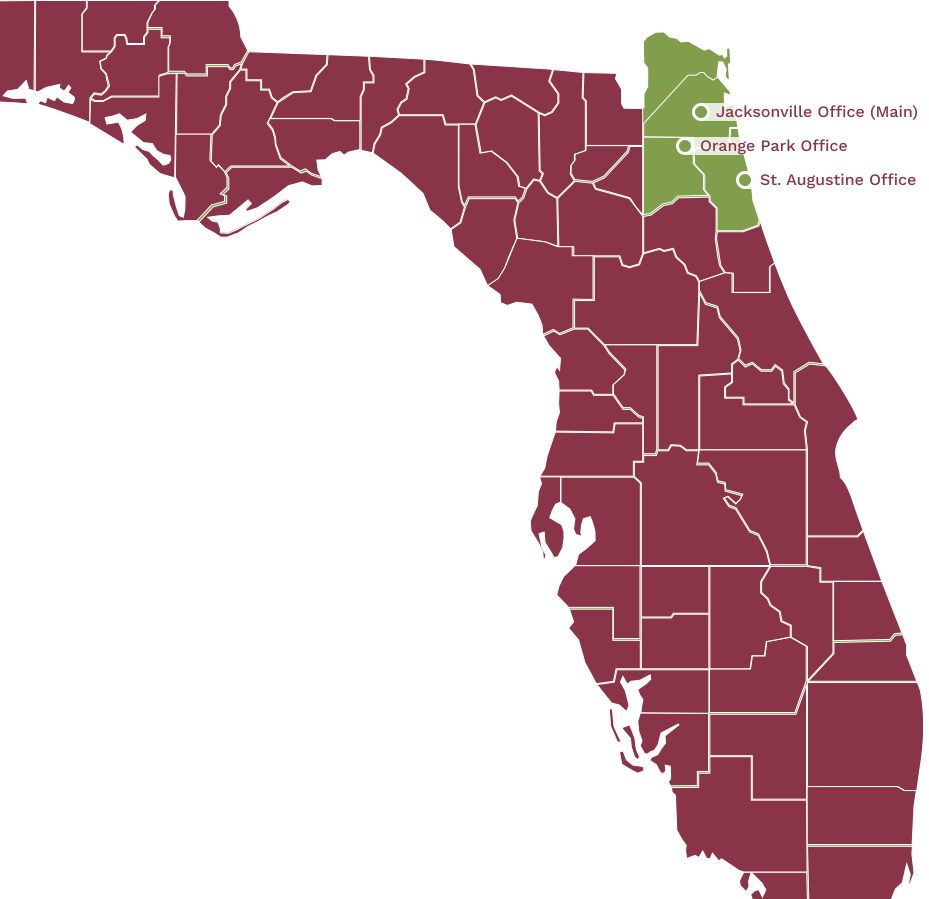
At Berg Bryant Elder Law Group, our Florida Board Certified Elder Law Attorneys handle probate and estate administration for families throughout Duval, Nassau, St. Johns, and Clay Counties.
If you need a realistic timeline for your situation, contact our office and tell us what the estate includes.
This article is for general information and is not legal advice. Timelines vary by estate and by court, so speak with one of our elder law professionals.
Author Bio

Kellen Bryant, Esq.
Founder
Florida Bar Board Certified Elder Law Attorney, Kellen Bryant focuses his law practice on advising and helping caregivers with a particular focus on asset protection and preservation from long-term care costs, creditors, and predators. Kellen Bryant is AV Preeminent® Rated, meaning his attorney peers rated him at the highest level of professional excellence. Kellen Bryant was nominated and selected as a Super Lawyer, Rising Star: 2022.