Medicare Advantage plans advertise dental, vision, hearing, gym memberships, and sometimes a grocery card. What the commercials never mention is what happens when a parent needs to move into a nursing home and stay there.
Whether Medicare Advantage covers nursing home care depends on which kind of nursing home care you mean. For short-term skilled rehabilitation after a hospital stay, yes, with conditions. For the long-term custodial care that most families are actually worried about, no. That distinction decides whether a family pays nothing or pays everything.
Does Medicare Advantage Pay for Nursing Home Care?
Medicare Advantage plans must cover everything Original Medicare covers, including skilled nursing facility care. They do not cover long-term custodial care, because Original Medicare does not cover it either.
The split looks like this:
- Skilled nursing facility care after a qualifying hospital stay is covered, up to 100 days per benefit period, when the person needs daily skilled nursing or therapy.
- Custodial care, meaning help with bathing, dressing, eating, toileting, and supervision, is not covered at any point, regardless of how long it is needed.
Most nursing home residents in Florida need custodial care. That is why families who assumed their plan had it handled find themselves paying privately within weeks.
How Does Skilled Nursing Coverage Work Under Original Medicare?
Understanding the baseline explains what an Advantage plan is measured against. In 2026, Original Medicare pays for a skilled nursing facility stay as follows:
- Days 1 through 20: you pay nothing per day
- Days 21 through 100: you pay $217 per day in coinsurance
- Day 101 and beyond: you pay all costs
Those figures come from the Centers for Medicare and Medicaid Services. Eighty days of coinsurance adds up to $17,360 out of pocket before coverage stops entirely.
Original Medicare also requires a qualifying inpatient hospital stay of at least three consecutive days, and the Medicare.gov skilled nursing page explains the rest of the conditions. A benefit period resets only after 60 consecutive days without skilled nursing or inpatient hospital care, not at the start of a calendar year.
How Is Medicare Advantage Different for Nursing Home Stays?
Advantage plans must match Original Medicare’s benefits, but the mechanics differ in ways that matter at admission.
- Cost sharing varies. Some plans charge daily copays during the first 20 days, when Original Medicare charges nothing. Others charge less than $217 for the later days.
- Prior authorization is common. Many plans require approval before a skilled nursing admission, and a claim can be denied without it.
- Networks apply. You may need an in-network facility, and out-of-network care can cost far more or nothing may be covered.
- The three-day rule may be waived. Some Advantage plans cover skilled nursing without a qualifying three-day inpatient hospital stay, which is a genuine advantage over Original Medicare.
- Coverage reviews can be more frequent. Plans often reassess whether skilled care is still needed, which can shorten a stay.
The practical instruction for families is simple. Call the plan before or immediately after a skilled nursing admission and confirm authorization, network status, and daily cost sharing in writing.
Why Does the Observation Status Trap Catch So Many Families?
This one costs Florida families thousands every year, and it applies to Original Medicare in particular.
A hospital can keep a patient for several nights under outpatient observation status rather than admitting them as an inpatient. Observation days do not count toward the three-day inpatient requirement. A family can watch a parent spend four nights in a hospital bed and still be told the skilled nursing stay is not covered.
What to do:
- Ask directly, every day: is my parent an inpatient or under observation?
- Ask the hospital to review the status if it seems inconsistent with the care being given
- Get the answer in writing before a transfer to a skilled nursing facility
- Confirm with the plan if your parent is in Medicare Advantage, since the rule may not apply
What Happens When the Skilled Care Ends?
At some point, the facility determines that skilled care is no longer needed. Coverage stops, but the person may still need the nursing home.
That is when the bill shifts to the family. Nursing home care can cost thousands of dollars per month, and families who need long-term care may quickly find that private payment is not sustainable. Once the skilled benefit ends, neither Original Medicare nor a Medicare Advantage plan pays any part of it.
The realistic sources of payment at that point are:
- Private funds, which most families exhaust faster than they expect
- Long-term care insurance, if a policy is already in place
- Veterans benefits, for eligible wartime veterans and surviving spouses
- Long-term care Medicaid, which has its own income and asset rules and a five-year review of financial history
Florida’s rules change annually, and our page on 2026 Medicaid income and asset limits lays out the current figures. Because Florida reviews the previous 60 months of transactions, last-minute moves often backfire. Our look-back period page explains how that works.
Planning Beyond What Medicare Advantage Covers in a Nursing Home
Medicare Advantage covers short-term skilled nursing care with authorization and network rules attached. It does not cover the long-term custodial care that most nursing home residents need, and no plan letter or extra benefit changes that.
The gap is not a coverage problem to shop around. It is a planning problem, and families who address it early protect far more than families who wait for a discharge notice.
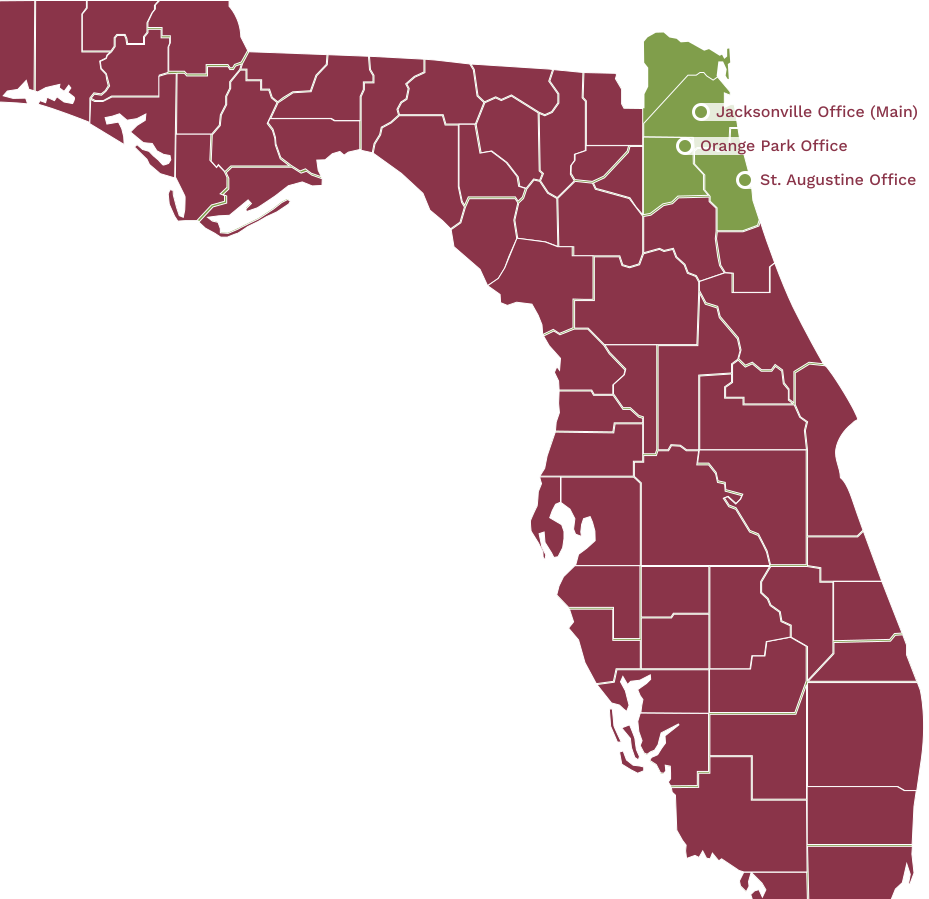
At Berg Bryant Elder Law Group, our Florida Board Certified Elder Law Attorneys help Northeast Florida families plan for the costs Medicare leaves behind, including asset protection strategies for long-term care. We serve Duval, Nassau, St. Johns, and Clay Counties.
If a parent is in rehab now and you are wondering what comes next, contact our office and tell us where things stand.
This article is for general information and is not legal or insurance advice. Confirm plan details with your carrier and speak with one of our elder law professionals about long-term care planning.
Author Bio

Kellen Bryant, Esq.
Founder
Florida Bar Board Certified Elder Law Attorney, Kellen Bryant focuses his law practice on advising and helping caregivers with a particular focus on asset protection and preservation from long-term care costs, creditors, and predators. Kellen Bryant is AV Preeminent® Rated, meaning his attorney peers rated him at the highest level of professional excellence. Kellen Bryant was nominated and selected as a Super Lawyer, Rising Star: 2022.