Every fall, Florida seniors get pushed toward one side of this choice or the other. Agents argue about premiums, networks, and extra benefits. Almost nobody answers the question families actually care about, which is what happens if Mom ends up in a nursing home for years.
Comparing Medigap and Medicare Advantage for long-term care in Florida produces an uncomfortable answer. Neither covers it. What they do differ on is how much you pay during the short skilled nursing window Medicare does cover, and that difference is worth thousands.
Does Medigap or Medicare Advantage Cover Long-Term Care?
Neither one covers long-term custodial care. Not Plan G, not Plan N, not any Medicare Advantage plan sold in Florida.
Custodial care means help with bathing, dressing, eating, toileting, and supervision. It is what most nursing home residents need, and Original Medicare does not pay for it. Because Medigap fills gaps in Original Medicare, and Medicare Advantage must cover what Original Medicare covers, neither product reaches a benefit that does not exist in the first place.
Where they genuinely differ is the skilled nursing benefit: up to 100 days per benefit period after a qualifying hospital stay, when daily skilled nursing or therapy is required.
How Does Medigap Handle Skilled Nursing Costs?
This is Medigap’s real strength, and it is often oversold as something bigger.
Under Original Medicare in 2026, a skilled nursing stay costs you nothing for days 1 through 20, then $217 per day for days 21 through 100. Eighty days at that rate is $17,360 out of pocket.
Medigap coverage of that coinsurance depends on the plan letter:
- Plans C, D, F, G, M, and N cover the skilled nursing coinsurance in full
- Plan K covers 50 percent and Plan L covers 75 percent
- Plans A and B cover none of it
One availability point matters here. Plans C and F are no longer sold to people who became newly eligible for Medicare on or after January 1, 2020, because those plans cover the Part B deductible. Those eligible before that date may still be able to buy them. For someone newly enrolling today, the plans that cover this coinsurance in full are D, G, M, and N.
The Plans A and B line surprises people who bought the cheapest plan available. A Plan A holder faces the entire $17,360 with no supplemental help at all.
What no Medigap plan does is extend coverage past day 100 or pay for custodial care. When Medicare’s skilled benefit ends, every Medigap policy stops paying too, regardless of the letter on the card or how long the policy has been held.
How Does Medicare Advantage Handle Skilled Nursing Costs?
Advantage plans must cover the same skilled nursing benefit, but they design the cost sharing themselves.
Common differences:
- Daily copays during days 1 through 20, when Original Medicare charges nothing
- Lower daily amounts than $217 for the later portion of the stay, in some plans
- Prior authorization requirements before a skilled nursing admission
- Network restrictions, which can limit which facilities are available or increase costs
- Waiver of the three-day hospital rule in some plans, which can be a real benefit
The trade-off is predictability. Medigap cost sharing is standardized by plan letter and works with any Medicare-certified facility. Advantage cost sharing varies by plan and can change each year, and the facility your family wants may be out of network.
What Should Florida Families Weigh Beyond Cost?
A few practical Florida-specific considerations belong in this decision.
- The Medigap enrollment window matters enormously. During your six-month Medigap Open Enrollment Period, carriers cannot deny you or charge more based on health. After that window, switching to Medigap may require medical underwriting, and a person already in poor health may be turned down.
- Snowbirds and travelers generally fare better with Medigap, which works nationwide with any provider accepting Medicare, while Advantage networks are usually regional.
- Extra benefits like dental, vision, and hearing come with most Advantage plans and not with Medigap, which is a genuine value for many people.
- Premiums differ in structure, with Medigap charging a monthly premium and most Advantage plans charging little or nothing upfront but more at the point of care.
- Plan availability varies by county, so the Advantage options in Duval look different from those in Nassau or St. Johns.
None of these change the long-term care answer. They matter for everything else, which is why the Medicare decision and the long-term care decision should be made separately rather than bundled together by whoever is selling the plan.
What Actually Pays for Long-Term Care in Florida?
Once the skilled benefit ends, the real funding sources are a short list.
- Private funds, which can be exhausted quickly when care costs thousands of dollars per month
- Long-term care insurance, if purchased before health problems developed
- Veterans benefits, including Aid and Attendance for eligible wartime veterans and surviving spouses
- Long-term care Medicaid, through Florida’s Statewide Medicaid Managed Care Long-Term Care program and the Institutional Care Program
Medicaid is the one most Florida families eventually use, and it has strict financial rules that change annually. Our page on 2026 Medicaid income and asset limits lists the current figures, including the income cap and asset limits for a single applicant and the amount a community spouse may keep.
Florida also reviews the previous 60 months of financial transactions when someone applies, so timing matters. Our look-back period page explains how transfers can create a penalty.
Choosing Between Medicare Supplement and Advantage Coverage in Florida
Comparing Medigap and Medicare Advantage for long-term care leads to the same place either way. Medigap plans provide standardized benefits for Medicare-covered services, including the SNF coinsurance covered by certain plan letters. Medicare Advantage plans use plan-specific cost-sharing, network, and authorization rules. Neither option provides long-term custodial nursing-home coverage.
Pick the Medicare coverage that fits your doctors, travel habits, and budget. Then plan separately for long-term care, because that is the expense that actually threatens a family’s savings.
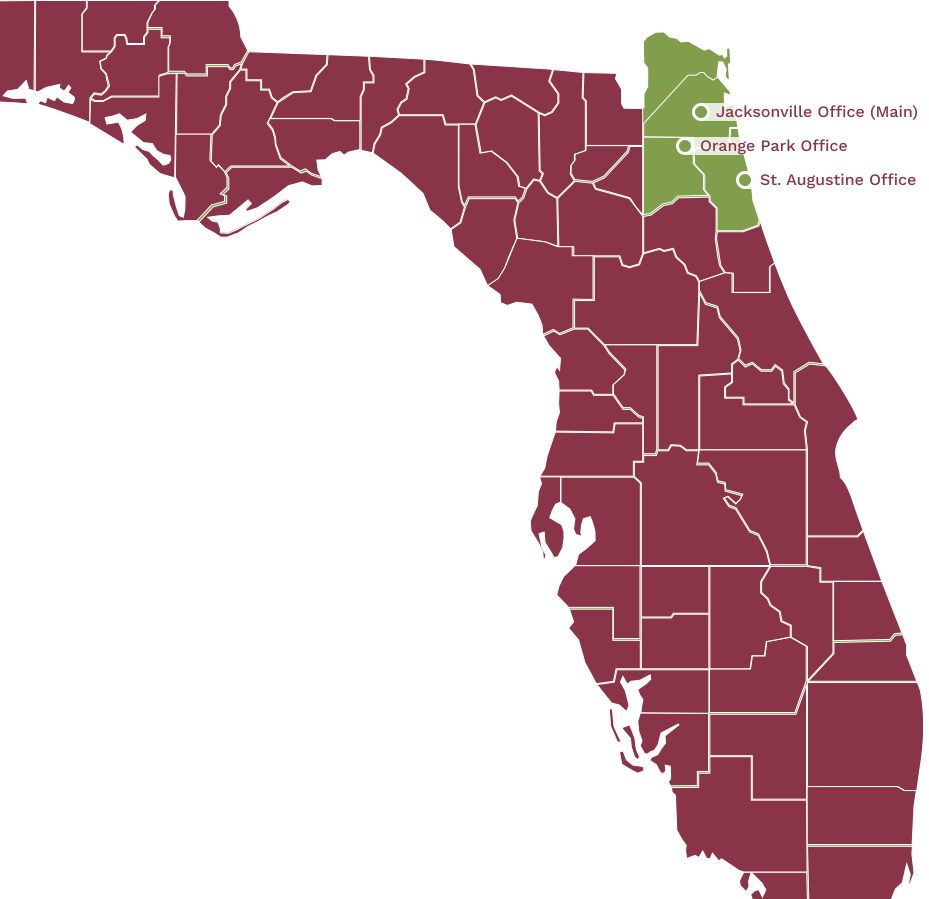
At Berg Bryant Elder Law Group, our Florida Board Certified Elder Law Attorneys build long-term care asset protection plans for families in Duval, Nassau, St. Johns, and Clay Counties.
To talk about the gap your Medicare coverage leaves, contact our office and tell us about your situation.
This article is for general information and is not legal or insurance advice. Plan details vary, so confirm coverage with your carrier and speak with one of our elder law professionals about long-term care planning.
Author Bio

Kellen Bryant, Esq.
Founder
Florida Bar Board Certified Elder Law Attorney, Kellen Bryant focuses his law practice on advising and helping caregivers with a particular focus on asset protection and preservation from long-term care costs, creditors, and predators. Kellen Bryant is AV Preeminent® Rated, meaning his attorney peers rated him at the highest level of professional excellence. Kellen Bryant was nominated and selected as a Super Lawyer, Rising Star: 2022.