Every fall, a flood of mailers and TV ads hits Florida mailboxes, and most of them are trying to sell something. Behind the noise sits a real deadline that decides what you pay for health care all next year.
Medicare open enrollment 2026 runs from October 15 through December 7, 2026. Whatever you choose during those weeks becomes your coverage starting January 1, 2027. Skipping the review is the default choice most people make, and it is often the expensive one.
When is Medicare Open Enrollment and What Can You Change?
The Annual Enrollment Period runs October 15 to December 7, 2026, with changes taking effect January 1, 2027.
During that window you can:
- Switch from Original Medicare to a Medicare Advantage plan
- Leave Medicare Advantage and return to Original Medicare
- Change from one Medicare Advantage plan to another
- Join, switch, or drop a Part D prescription drug plan
One naming quirk trips up almost everyone. The same season gets called both “open enrollment 2026” and “AEP 2027,” depending on who is talking, because the shopping happens in fall 2026 for coverage that starts in 2027. The dates are what matter.
There is a second window worth knowing. If you are already in a Medicare Advantage plan, the Medicare Advantage Open Enrollment Period runs January 1 through March 31 and allows one plan change or a return to Original Medicare.
What Does Medicare Cost in 2026?
Knowing your current numbers helps you judge whether a new plan is actually a better deal. The Centers for Medicare and Medicaid Services announced these 2026 amounts:
- Part B standard premium: $202.90 per month, up from $185.00 in 2025
- Part B annual deductible: $283, up from $257
- Part A hospital deductible: $1,736 per benefit period, up from $1,676
- Part D out-of-pocket cap: $2,100 for the year, after which covered drugs cost nothing more
- Part D standard deductible: $615
About 99 percent of people pay no Part A premium because they have enough work quarters. Higher earners pay an income-related surcharge on top of the standard Part B premium, which ranges from $284.10 to $689.90 per month in 2026 and is based on the tax return from two years earlier. You can review the official figures on the CMS fact sheet.
Numbers for 2027 are usually released in the fall, so confirm them at Medicare.gov before you compare plans.
What Should You Review Before December 7?
Plans change every January, even if you do nothing. A drug that was covered this year may not be next year, and a doctor in your network may drop out.
Work through this list:
- Read your Annual Notice of Change. Your plan mails it each fall, and it spells out exactly what is changing.
- Check your drug list. Confirm every prescription you take is still on the formulary and see what tier it sits in.
- Verify your doctors and hospitals. Networks shift, and an out-of-network specialist can cost you thousands.
- Compare total annual cost, not just premium. A low premium with high copays often costs more over a year.
- Look at extra benefits. Dental, vision, and hearing coverage vary widely between Medicare Advantage plans.
If you are satisfied and your plan is still offered, your coverage generally rolls over automatically. The risk is not losing coverage. It is staying in a plan that no longer fits.
Where Can Florida Seniors Get Free Medicare Help?
You do not have to rely on a sales call. Florida runs a free counseling program built for exactly this.
- SHINE, which stands for Serving Health Insurance Needs of Elders, offers free and unbiased Medicare counseling through the Florida Department of Elder Affairs and its network of volunteers.
- The Elder Helpline at 1-800-963-5337 connects you to SHINE counselors and your local Area Agency on Aging.
- 1-800-MEDICARE and the plan finder at Medicare.gov let you compare every plan available in your ZIP code.
Counselors do not sell plans and do not earn commissions, which makes them a useful counterweight to the marketing you will receive this fall.
What Does Medicare Not Cover for Long-Term Care?
Here is the gap that surprises Florida families more than any other. Medicare does not pay for long-term custodial care.
Part A covers a limited skilled nursing facility stay after a qualifying hospital admission, with coinsurance kicking in after the first 20 days and coverage ending well before most stays do. It does not cover ongoing help with bathing, dressing, eating, or supervision, which is what most aging adults actually need over time.
That distinction matters because nursing home care in Florida often exceeds thirteen thousand dollars a month. When Medicare stops, families pay privately until savings run down or they qualify for long-term care Medicaid, which is a separate program with its own asset and income rules and a five-year review of financial history.
Planning ahead is what preserves options. Tools like a Medicaid asset protection trust work best years before care is needed, while crisis planning can still protect assets once care has begun.
Making the Most of This Year’s Medicare Enrollment Window
Open enrollment is your once-a-year chance to fix a plan that no longer fits. Read the Annual Notice of Change, check your drugs and doctors, compare total cost rather than premium alone, and use free SHINE counseling instead of trusting a mailer.
Then look past the plan year. Medicare handles doctors and hospitals well and long-term care poorly, and that gap is where families lose the most money.
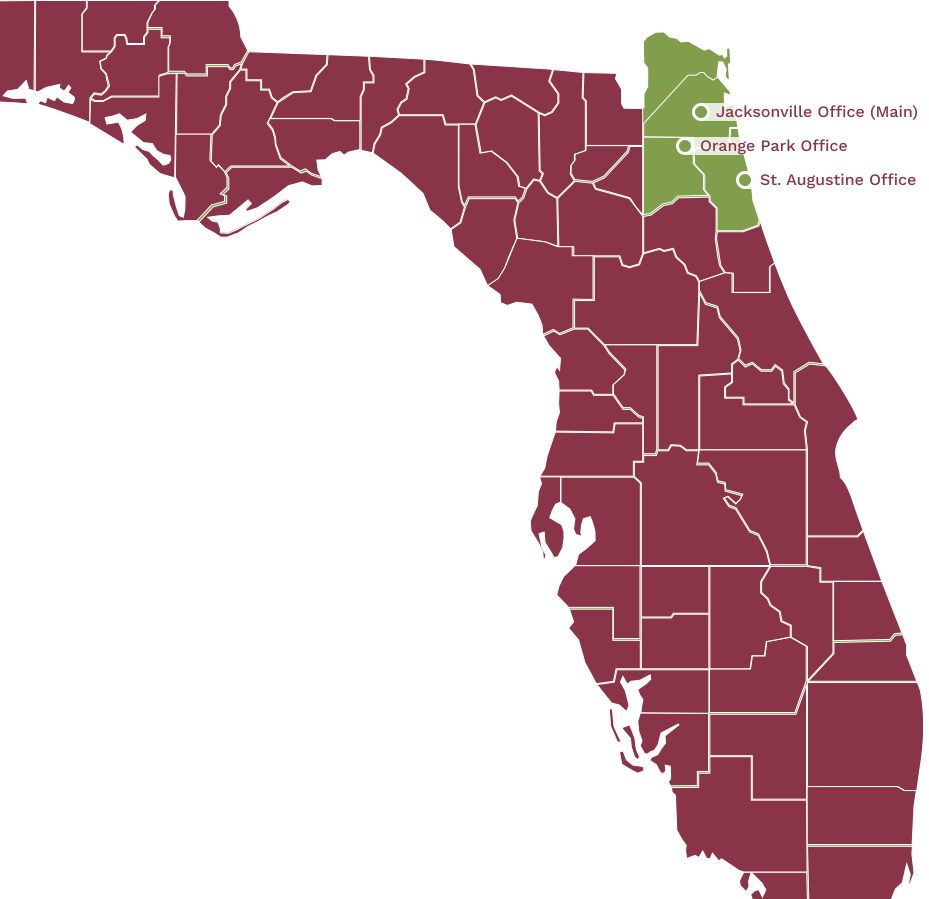
At Berg Bryant Elder Law Group, our Florida Board Certified Elder Law Attorneys help Northeast Florida families plan for the care costs Medicare leaves behind. We serve Duval, Nassau, St. Johns, and Clay Counties.
If you are thinking past this year’s coverage to how care gets paid for, contact our office and tell us about your situation.
This article is for general information and is not legal or insurance advice. Confirm current plan details at Medicare.gov and speak with one of our elder law professionals about long-term care planning.
Author Bio

Kellen Bryant, Esq.
Founder
Florida Bar Board Certified Elder Law Attorney, Kellen Bryant focuses his law practice on advising and helping caregivers with a particular focus on asset protection and preservation from long-term care costs, creditors, and predators. Kellen Bryant is AV Preeminent® Rated, meaning his attorney peers rated him at the highest level of professional excellence. Kellen Bryant was nominated and selected as a Super Lawyer, Rising Star: 2022.