Good caregivers are worth more than families can easily repay. That is exactly why the bad ones are hard to spot. The behavior that signals a problem often looks, at first, like dedication.
Recognizing the warning signs that a caregiver is taking advantage of your parent means watching for a pattern rather than a single incident. The reliable indicators are about access and control, not about personality. Knowing which ones matter helps you tell devotion from something else.
What Are the Warning Signs a Caregiver Is Exploiting Your Parent?
The clearest signal is a caregiver positioning themselves between your parent and everyone else.
Watch for:
- Controlling access. Visits get discouraged, calls go unanswered, or the caregiver is always present and answers for your parent.
- Financial involvement beyond their role. A caregiver handling banking, accompanying your parent to the bank, or being added to accounts.
- New legal documents. Changes to a will, trust, power of attorney, deed, or beneficiary designation that appear after the caregiver arrived.
- Unexplained spending. Withdrawals, transfers, or purchases your parent cannot account for.
- Gifts and loans. A caregiver receiving money, vehicles, or property, however it is characterized.
- Missing items. Jewelry, cash, or valuables that disappear without explanation.
- Changes in your parent. Anxiety around the caregiver, reluctance to speak freely, or deference that seems out of character.
- Resistance to oversight. Defensiveness when you ask routine questions about schedules, money, or care.
One item alone may have an innocent explanation. Several together form the pattern that matters.
Why Is Isolation the Most Important Signal?
Because exploitation depends on it. Every other warning sign is easier to sustain once a parent is cut off from people who would notice.
Isolation rarely announces itself. It arrives as helpfulness:
- “She was tired, so I told them not to come by.”
- “He gets confused on the phone, so I handle the calls now.”
- “I moved in to make things easier.”
- “The family upsets her, so I keep visits short.”
Each statement can be true. Taken together, and particularly when they come from the person who benefits from reduced oversight, they describe a parent whose world is shrinking to one relationship.
The protective response is to keep your parent connected on terms you control. Visit at times you did not announce. Speak with your parent alone. Make sure more than one family member has regular contact.
What Financial Red Flags Deserve Immediate Attention?
Some signs call for action rather than observation.
- A caregiver named on a bank account or holding a debit card
- A new power of attorney naming the caregiver
- Changes to beneficiary designations on life insurance or retirement accounts
- Property transfers, including a name added to a deed
- Cash withdrawals in a pattern your parent cannot explain
- Unpaid bills despite adequate income, which can mean money is going elsewhere
- A caregiver discouraging contact with your parent’s attorney, accountant, or financial advisor
That last one is significant. A caregiver with nothing to hide has no reason to stand between your parent and their professional advisors.
Florida law treats improper use of a vulnerable adult’s funds or property by someone in a position of trust as exploitation, and banks and credit unions are among the parties specifically named as mandatory reporters.
What Should You Do If You Suspect Exploitation?
Move carefully and deliberately, because tipping off a caregiver can accelerate losses.
- Document what you observe, with dates, amounts, and specifics rather than impressions.
- Gather financial records before raising concerns, including statements and recent transactions.
- Speak with your parent privately, away from the caregiver, and listen more than you assert.
- Contact the financial institution, which can flag or freeze suspicious activity.
- Report suspected exploitation to the Florida Abuse Hotline at 1-800-96-ABUSE (1-800-962-2873). Florida law requires any person with reasonable cause to suspect that a vulnerable adult is being exploited to report it immediately, and the reporter’s identity is protected.
- Call 911 if your parent faces immediate danger.
- Get legal guidance about the authority you hold and what steps are available.
Do not confront the caregiver before securing records and accounts. Evidence disappears quickly once someone knows they are being examined.
How Do You Hire and Supervise Caregivers Safely?
Prevention is far easier than recovery.
- Use an agency that screens, bonds, and supervises staff, or run thorough background checks on a private hire
- Check references yourself rather than accepting a written list
- Put the arrangement in writing, specifying duties, hours, and pay
- Define boundaries explicitly, including no access to accounts, no gifts, and no involvement in legal documents
- Separate the money. A caregiver who buys groceries should use a dedicated card with a low limit and submit receipts
- Rotate visibility. More than one family member checking in makes a pattern harder to sustain
- Review statements monthly rather than annually
Putting these rules in place at hiring protects honest caregivers too, by removing any ambiguity about what is appropriate.
What Legal Protections Should Be in Place?
The strongest safeguard is having the right people legally empowered before a problem starts.
- A durable power of attorney naming a trusted family member, signed while your parent clearly understands it, fills the role an exploiter would otherwise occupy
- A health care surrogate designation keeps medical decisions with family
- A trust with defined trustee reporting duties builds in accountability, as our page on trusts explains
- Regular account review by more than one person creates ongoing oversight
If your parent has already lost the capacity to sign documents and someone is taking advantage, guardianship may be the route available to protect them and their assets.
Acting on Concerns About Your Parent’s Caregiver
The warning signs worth watching are isolation, financial involvement beyond the caregiver’s role, new or altered legal documents, and changes in how your parent behaves around that person. A pattern matters more than any single incident.
If you see one forming, document first, secure records second, and report rather than confront.
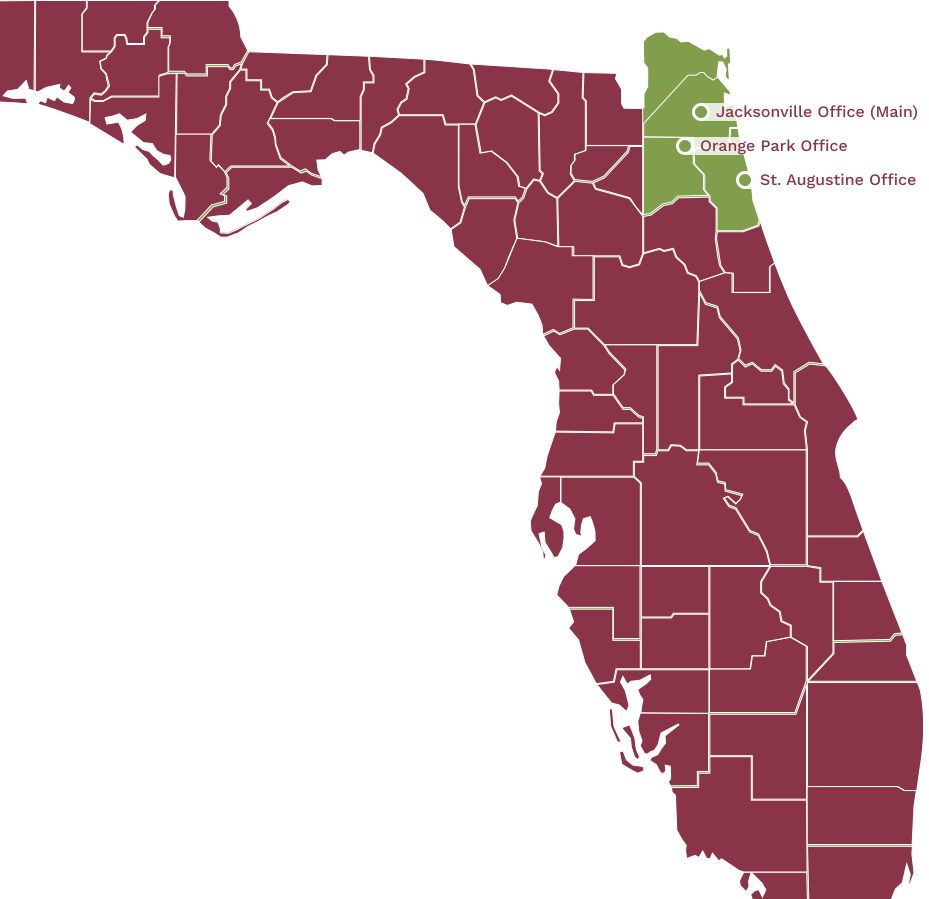
At Berg Bryant Elder Law Group, our Florida Board Certified Elder Law Attorneys help families in Duval, Nassau, St. Johns, and Clay Counties put protections in place and respond when something has gone wrong.
If something about your parent’s care arrangement concerns you, contact our office and tell us what you have noticed.
This article is for general information and is not legal advice. If you suspect a vulnerable adult is being abused, neglected, or exploited, call the Florida Abuse Hotline at 1-800-962-2873. For legal guidance, speak with one of our elder law professionals.
Author Bio

Kellen Bryant, Esq.
Founder
Florida Bar Board Certified Elder Law Attorney, Kellen Bryant focuses his law practice on advising and helping caregivers with a particular focus on asset protection and preservation from long-term care costs, creditors, and predators. Kellen Bryant is AV Preeminent® Rated, meaning his attorney peers rated him at the highest level of professional excellence. Kellen Bryant was nominated and selected as a Super Lawyer, Rising Star: 2022.