Two Florida families can lose a parent the same week and have completely different probate experiences. One finishes in a few weeks with a single court order. The other spends the better part of a year filing inventories, notifying creditors, and waiting.
The difference between summary administration and formal administration comes down to a threshold in the statute and how much court supervision the estate requires. Knowing which track an estate qualifies for tells you what the next several months will look like and roughly what it will cost.
What is the Difference Between Summary and Formal Administration?
Summary administration is a shortened process for smaller or older estates. Formal administration is the full, court-supervised process with a personal representative running the estate.
The core distinctions:
- Summary administration has no personal representative appointed and no letters of administration issued. The court enters an order distributing the assets directly.
- Formal administration appoints a personal representative who receives letters, gathers assets, files an inventory, deals with creditors, and eventually closes the estate.
- Summary is generally measured in weeks. Formal typically runs several months to a year or longer.
- Summary costs less because there is far less work involved.
Both are court proceedings. Neither is automatic, and both require filing a petition.
When Does an Estate Qualify for Summary Administration in Florida?
Florida Statute 735.201 permits summary administration when two conditions are met.
First, if there is a will, the will must not direct formal administration. A will can require the longer process, and if it does, that controls.
Second, either:
- The value of the entire estate subject to administration in Florida, less the value of property exempt from creditors’ claims, does not exceed $75,000, or
- The decedent has been dead for more than two years, regardless of the size of the estate
That first point contains a detail families miss constantly. The $75,000 is measured after subtracting exempt property. Homestead property and exempt property under Florida Statute 732.402, which includes household furniture, furnishings, and appliances up to a net value of $20,000 and two qualifying vehicles, come out of the calculation. Many estates that look too large on paper actually qualify.
The two-year alternative is powerful and often overlooked. Florida bars most creditor claims two years after death, so an estate opened after that point can use the shorter process no matter its value.
How Does Formal Administration Work?
Formal administration is the default for estates that do not qualify for the shortcut. The sequence generally runs:
- A petition for administration is filed in the county where the decedent lived
- The court appoints a personal representative and issues letters of administration
- The personal representative gathers and inventories assets
- Notice to creditors is published and served on known creditors
- Claims are paid or objected to after the claims period runs
- Taxes and expenses are handled
- Assets are distributed and the estate is closed
Letters of administration are the practical reason many estates need this track. Banks and financial institutions generally will not release funds without them, and only a formal administration produces them.
Florida also generally requires a personal representative in a formal administration to be represented by an attorney.
Which Process Takes Longer and Costs More?
Formal administration, on both counts.
The main driver is the creditor process. A formal administration requires publishing a notice to creditors and allowing a claims period to run before the estate can safely distribute assets. That timeline alone puts a floor under how fast the estate can close.
Cost tracks the work. Summary administration involves one petition and an order. Formal administration involves inventories, accountings, creditor notices, and often a year of ongoing attorney involvement. The statutory attorney fee schedules and personal representative commissions apply to formal administration, and you can read more about what those look like on our probate page.
What Are the Drawbacks of Summary Administration?
Faster is not always better, and this is where families get into trouble.
Consider these limitations:
- No personal representative. Nobody holds letters, so there is no one with clear authority to deal with banks, sell property, or handle problems that surface later.
- Creditor exposure. If the decedent died less than two years ago, those who receive assets may remain personally liable for claims unless a notice to creditors is handled properly.
- Not suited to complexity. Real property, a business, disputed claims, or contested beneficiaries generally need formal administration.
- Harder to reopen. Discovering an additional asset or an unknown debt after distribution creates complications.
For an estate that consists of a small bank account and a car, summary administration is ideal. For an estate with a house, a mortgage, and three disagreeing children, it usually is not.
Is There an Even Simpler Option?
Yes, for very small estates. Florida also allows disposition without administration, which is an informal process for estates consisting only of exempt property and a limited amount of non-exempt personal property, generally where the assets do not exceed the cost of final illness and funeral expenses. It requires no formal court proceeding and is requested by affidavit.
It applies to a narrow set of circumstances. Most families who think they qualify actually need summary administration instead.
Choosing the Right Florida Probate Process for Your Estate
Summary administration and formal administration are two paths to the same destination, and the estate’s value, age, and complexity determine which one applies. Summary is faster and cheaper but leaves no one holding formal authority. Formal takes longer and costs more but provides the structure that a complicated estate needs.
Picking wrong wastes money in one direction or creates liability in the other, which is why the choice deserves a real look at the assets before anything is filed.
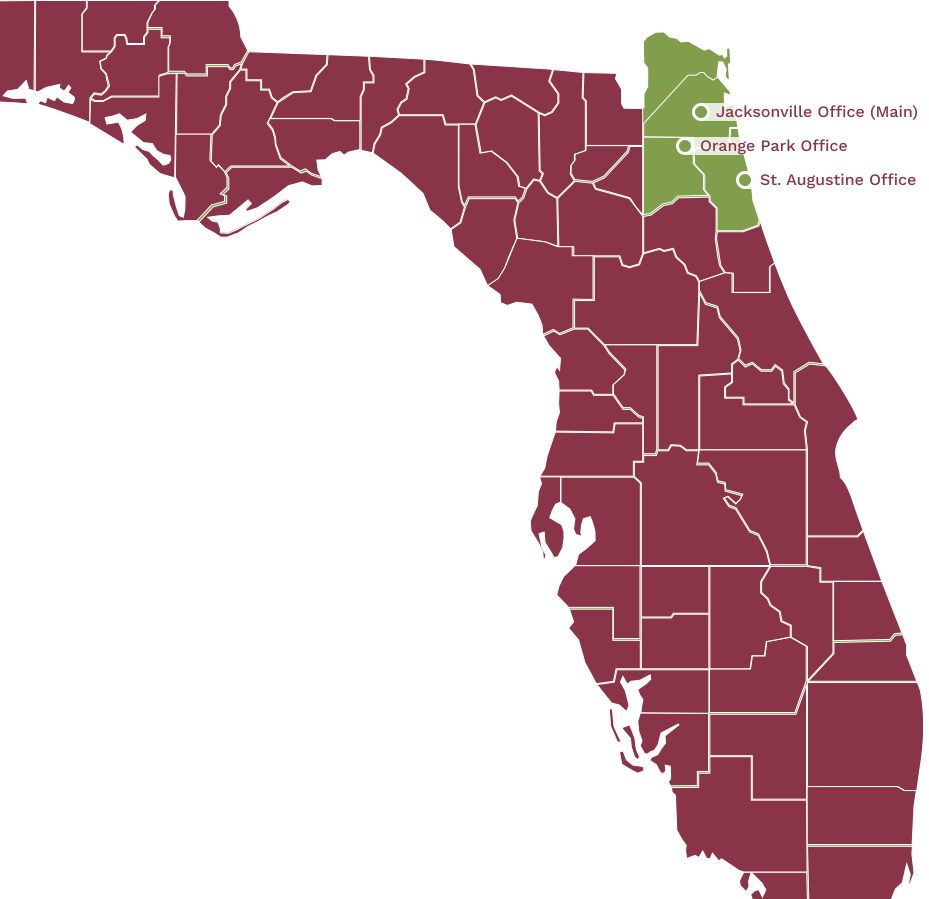
At Berg Bryant Elder Law Group, our Florida Board Certified Elder Law Attorneys handle both processes for families throughout Duval, Nassau, St. Johns, and Clay Counties and can tell you quickly which one fits.
If you are facing probate for a loved one, contact our office and tell us what the estate includes.
This article is for general information and is not legal advice. Eligibility depends on the specific estate, so speak with one of our elder law professionals about your situation.
Author Bio

Kellen Bryant, Esq.
Founder
Florida Bar Board Certified Elder Law Attorney, Kellen Bryant focuses his law practice on advising and helping caregivers with a particular focus on asset protection and preservation from long-term care costs, creditors, and predators. Kellen Bryant is AV Preeminent® Rated, meaning his attorney peers rated him at the highest level of professional excellence. Kellen Bryant was nominated and selected as a Super Lawyer, Rising Star: 2022.