Most families hold this meeting in a hospital corridor at midnight, under the worst possible conditions, with a decision due by morning. The ones who do it earlier, around a kitchen table, consistently come out better.
Learning how to have a family meeting about caring for aging parents is less about communication skills than about structure. A meeting with an agenda, the right people, and a clear purpose produces decisions. A meeting without those turns into the same argument the family has been having for years.
How Do You Run a Family Meeting About Aging Parents?
Set it up so the conversation has somewhere to go.
- Define the purpose in advance. “Talk about Dad” is not a purpose. “Decide who handles bills and whether we add weekday help” is.
- Include your parents. A meeting about them without them breeds resentment and usually produces decisions nobody can implement.
- Invite everyone who matters, including siblings who live far away and in-laws who provide real support.
- Pick a neutral time and place, not a holiday dinner and not a hospital waiting room.
- Send an agenda beforehand so nobody feels ambushed.
- Set a time limit. Ninety minutes with a defined end beats an open-ended session that drifts.
- Assign someone to take notes and circulate them afterward.
Video calls work if the family is spread out. What does not work is a series of one-on-one phone calls where everyone hears a slightly different version.
What Should Be on the Agenda?
Cover the practical ground in a sensible order, starting with facts rather than opinions.
- The current situation. What is actually happening with your parents’ health, finances, and daily function.
- What your parents want. Their preferences about where they live and who helps come before anyone else’s view.
- Care needs now and likely soon. Daily tasks, medications, transportation, and medical appointments.
- Who does what. Specific assignments rather than general offers to help.
- Money. How care gets paid for, who manages the accounts, and how everyone stays informed.
- Legal documents. Which exist, where they are, and what is missing.
- Next steps and a follow-up date.
Put the emotionally difficult items in the middle rather than at the end, when everyone is tired and patience has run out.
How Do You Keep the Meeting From Becoming an Argument?
Old family dynamics show up uninvited. A few ground rules keep them from taking over.
- Agree at the start that the purpose is your parents’ wellbeing, not settling history.
- Let each person speak without interruption before anyone responds.
- Separate facts from feelings. “Mom missed three doses last week” is a fact. “You don’t care” is not.
- Focus on the next ninety days rather than every scenario that might ever occur.
- Acknowledge unequal contributions honestly. The sibling doing most of the work needs that named out loud.
- Park disagreements you cannot resolve and move on rather than circling.
- Bring in a neutral facilitator when the family cannot get through a conversation without it. A geriatric care manager, counselor, or clergy member can keep things on track.
The hardest moment usually comes when the primary caregiver says they cannot continue at the current pace. That is information the family needs, not an accusation.
How Do You Divide Responsibilities Fairly?
Fair rarely means equal, because siblings have different capacities and distances.
Workable approaches:
- Match tasks to strengths. The organized one handles finances and insurance; the nearby one handles appointments.
- Give distant siblings real roles, such as research, scheduling, insurance calls, or paying for services.
- Let money substitute for time when a sibling cannot be present but can contribute financially.
- Put the division in writing so “that’s not what we agreed” has an answer.
- Build in relief. Whoever carries the most needs scheduled breaks, not open-ended duty.
- Revisit on a schedule, since needs change and an arrangement that worked in spring may not work by fall.
Specificity is what makes assignments stick. “Help more with Mom” fails. “Take Mom to her Tuesday appointments and manage her pharmacy refills” works.
What Legal Topics Belong in This Conversation?
This is the part families skip, and it is the part with a deadline.
Confirm whether these exist and where they are kept:
- Durable power of attorney for financial matters
- Designation of health care surrogate for medical decisions
- Living will recording end-of-life wishes
- HIPAA authorization so providers can speak with family
- Will or trust, and who is named to serve
Your parents must have the capacity to understand these documents when they sign them. If capacity is lost first, the family’s remaining route is often guardianship, which is slower, more expensive, and decided by a court rather than by your parents.
Care funding belongs on the agenda too. Medicare does not pay for long-term custodial care, and long-term care Medicaid in Florida has its own income and asset rules, including a 60-month look-back period for certain asset transfers. Because of that window, early conversations preserve options that later ones do not. Our page on 2026 Medicaid income and asset limits covers the current figures.
What Should Happen After the Meeting?
A meeting without follow-through is just a conversation.
- Circulate written notes with decisions and assignments
- Set a follow-up date before everyone leaves
- Schedule the legal work rather than leaving it as an intention
- Create shared access to a document list, contacts, and care calendar
- Check in with the primary caregiver between meetings
Families that meet quarterly, briefly, handle transitions far better than families that meet once during a crisis.
Turning a Difficult Conversation Into a Workable Family Plan
A productive family meeting about aging parents has a stated purpose, includes your parents, follows an agenda, assigns specific responsibilities, and ends with a follow-up date. The legal documents belong on that agenda, while your parents can still choose who acts for them.
Hold the meeting before you need it. The families who do are the ones with options when something changes.
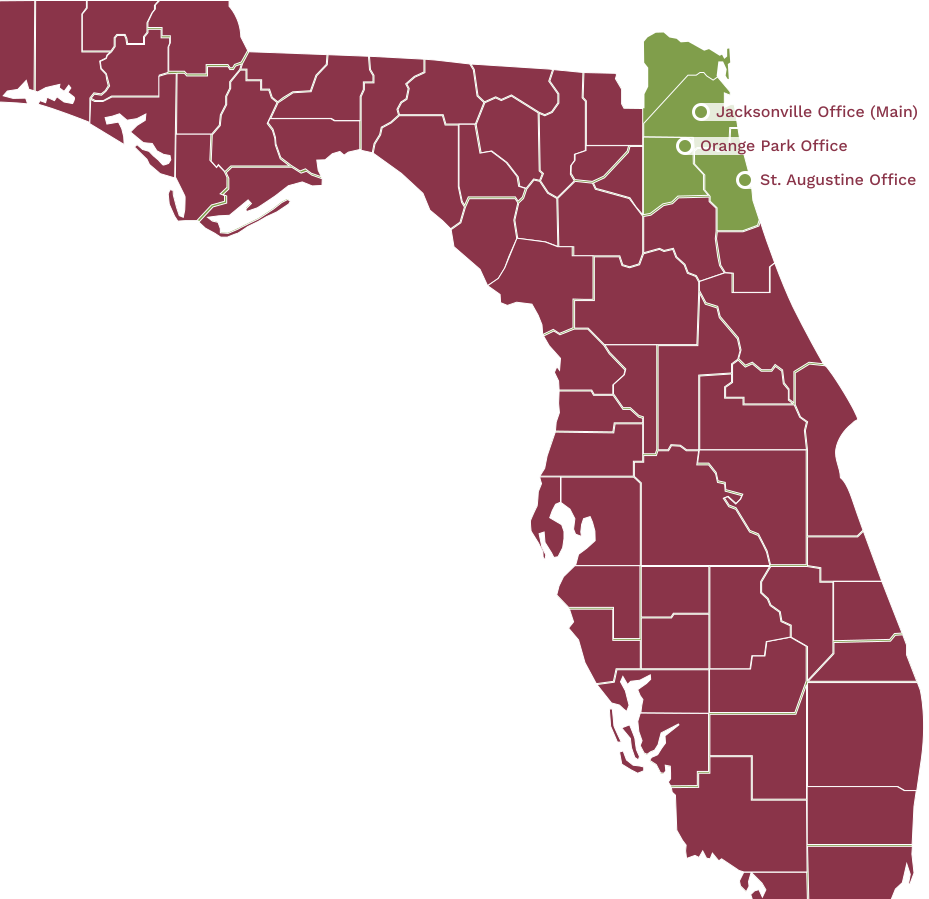
At Berg Bryant Elder Law Group, our Florida Board Certified Elder Law Attorneys help families in Duval, Nassau, St. Johns, and Clay Counties turn these decisions into a plan.
When your family is ready to put the legal pieces in place, contact our office and tell us where things stand.
This article is for general information and is not legal advice. Speak with one of our elder law professionals about your family’s situation.
Author Bio

Kellen Bryant, Esq.
Founder
Florida Bar Board Certified Elder Law Attorney, Kellen Bryant focuses his law practice on advising and helping caregivers with a particular focus on asset protection and preservation from long-term care costs, creditors, and predators. Kellen Bryant is AV Preeminent® Rated, meaning his attorney peers rated him at the highest level of professional excellence. Kellen Bryant was nominated and selected as a Super Lawyer, Rising Star: 2022.