The two programs sound alike, arrive in the same mailbox, and get confused constantly. One pays for a short rehab stay. The other pays for years in a nursing home. Mixing them up costs Florida families more money than almost any other mistake in long-term care planning.
Understanding how Medicare and Medicaid work together for nursing home care comes down to sequence. Medicare goes first and stops early. Medicaid picks up what is left, but only for people who meet strict financial rules. Knowing where the handoff happens tells you when to start planning.
How Do Medicare and Medicaid Work Together in a Nursing Home?
Medicare pays first for a limited skilled stay. Medicaid pays afterward for ongoing custodial care, if the person qualifies financially.
A typical Florida sequence:
- A hospital stay of at least three consecutive days as an inpatient
- Medicare covers skilled nursing care, paying in full for days 1 through 20 and requiring $217 per day in coinsurance for days 21 through 100 in 2026
- Medicare coverage ends, either at day 100 or earlier when skilled care is no longer needed
- The family pays privately unless another source applies
- Long-term care Medicaid begins once the application is approved and the person meets both financial and level-of-care requirements
The gap in step 4 is where savings disappear. Applications take time, and care does not pause while paperwork is processed.
What Does Each Program Actually Pay For?
The division is cleaner than most families realize.
Medicare covers:
- Short-term skilled nursing after a qualifying hospital stay
- Skilled therapy, wound care, IV medications, and similar services
- Hospital care, doctor visits, and prescriptions under Parts A, B, and D
Medicare does not cover:
- Long-term custodial care, meaning help with bathing, dressing, eating, and supervision
- Any nursing home stay past 100 days in a benefit period
- Assisted living room and board
Long-term care Medicaid covers:
- Ongoing nursing home care through the Institutional Care Program
- Home and community-based services through Florida’s Statewide Medicaid Managed Care Long-Term Care program
- Care for as long as the person remains eligible
Who Qualifies for Long-Term Care Medicaid in Florida?
Florida applies both a medical test and a financial test, and the financial figures adjust each year.
For 2026, a single applicant for nursing home Medicaid generally must have:
- Gross monthly income below $2,982, which is income before deductions rather than what lands in the bank
- Countable assets of $2,000 or less
- A nursing facility level of care need, determined through the state’s assessment process
For married couples with one spouse applying, the community spouse may keep up to $162,660 in countable assets under the Community Spouse Resource Allowance, plus a Minimum Monthly Maintenance Needs Allowance that ranges up to roughly $4,067 per month depending on housing costs. Our page on 2026 Medicaid income and asset limits breaks these down in detail.
Income above the cap is not automatically disqualifying. Florida is an income-cap state that allows a Qualified Income Trust, sometimes called a Miller Trust, to bring countable income under the threshold.
What Happens to Income Once Medicaid Starts?
This surprises nearly every family, and it is worth explaining before approval rather than after.
Medicaid does not simply pay the nursing home bill while the resident keeps their income. Instead, almost all of the resident’s monthly income goes to the facility as patient responsibility, and Medicaid pays the remainder.
The resident keeps:
- A personal needs allowance of $160 per month in 2026, among the highest in the country
- Money for Medicare premiums and other allowable coverage premiums
- A monthly maintenance needs allowance diverted to a community spouse, when applicable
So a parent receiving $2,400 a month in Social Security and pension income will pay most of that to the nursing home, with Medicaid covering the gap between that contribution and the facility’s Medicaid rate.
What About People Who Have Both Medicare and Medicaid?
Many Florida nursing home residents are dual eligible, meaning they have both. The programs coordinate rather than duplicate.
- Medicare stays the primary payer for hospital care, doctor visits, and skilled services
- Medicaid pays the long-term care costs Medicare does not cover
- Medicaid may cover Medicare cost sharing, including premiums, deductibles, and coinsurance, for those who qualify through a Medicare Savings Program
- Part D continues to cover prescriptions, and dual eligibles typically receive Extra Help with drug costs
Dual eligibility is often what makes a long stay financially survivable. It does not happen automatically, and each program requires its own application.
When Should Families Start Planning?
Earlier than they do. Florida reviews the previous 60 months of financial transactions when someone applies for long-term care Medicaid, and transfers for less than fair market value during that window can create a penalty period of ineligibility. Our look-back period page explains how the penalty is calculated.
Timing shapes the options:
- Years ahead, certain irrevocable trusts and other planning strategies may help protect assets from future long-term-care costs when they are structured and implemented properly and sufficiently in advance.
- During a crisis, Medicaid crisis planning can still preserve a meaningful portion of assets even after admission
- In the discharge week, gifting money to family is the single most damaging thing a family can do
Coordinating Medicare and Medicaid Coverage for Long-Term Care
Medicare pays for short-term skilled care and stops. Medicaid pays for the long-term custodial care that follows, for those who meet Florida’s income, asset, and level-of-care rules. The handoff between them is where families either protect their savings or lose them.
Understanding the sequence before a hospital discharge gives you options that a discharge-day scramble does not.
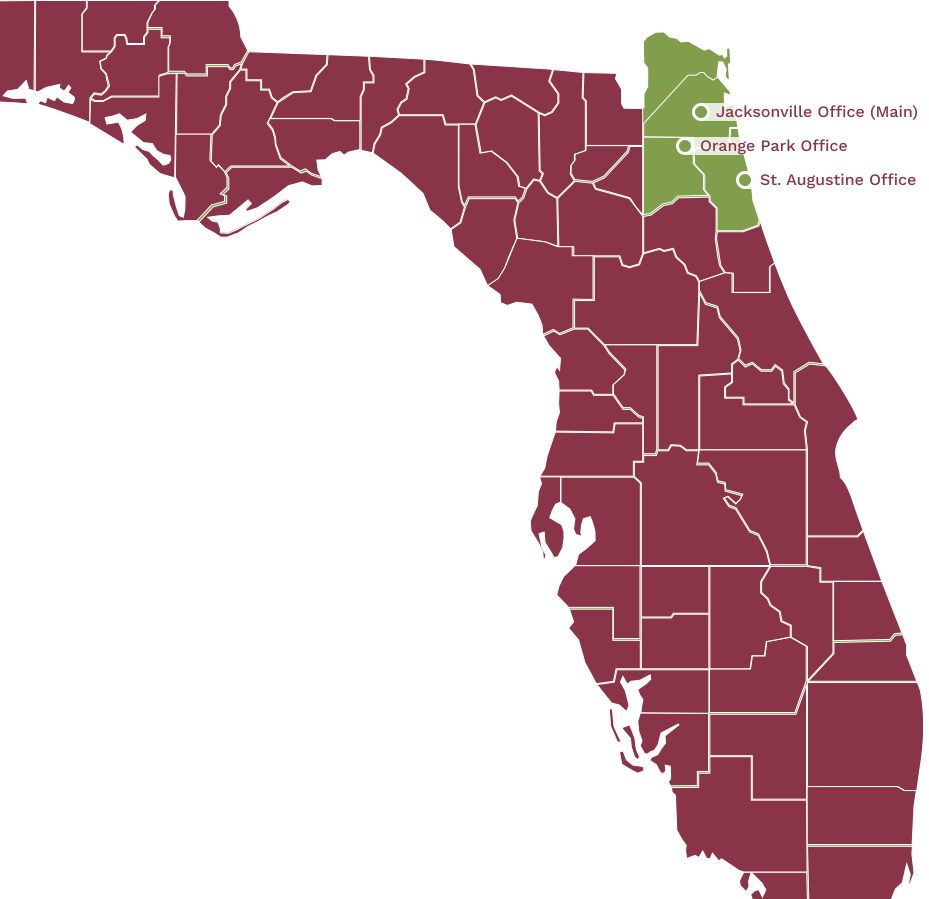
At Berg Bryant Elder Law Group, our Florida Board Certified Elder Law Attorneys guide families through long-term care Medicaid eligibility and applications across Duval, Nassau, St. Johns, and Clay Counties.
If a parent is approaching the end of Medicare coverage, contact our office and tell us about their situation.
This article is for general information and is not legal advice. Medicaid figures adjust annually and eligibility is determined case by case, so speak with one of our elder law professionals.
Author Bio

Kellen Bryant, Esq.
Founder
Florida Bar Board Certified Elder Law Attorney, Kellen Bryant focuses his law practice on advising and helping caregivers with a particular focus on asset protection and preservation from long-term care costs, creditors, and predators. Kellen Bryant is AV Preeminent® Rated, meaning his attorney peers rated him at the highest level of professional excellence. Kellen Bryant was nominated and selected as a Super Lawyer, Rising Star: 2022.