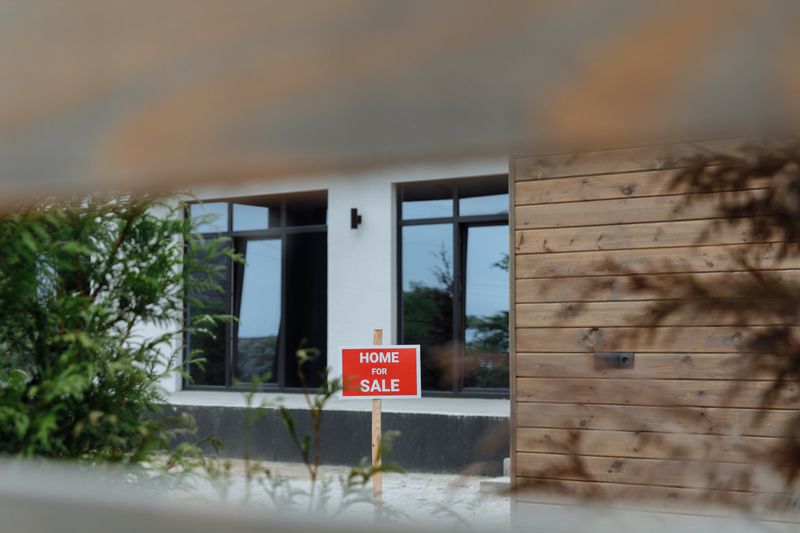
The house sits empty while the estate works its way through court. Taxes come due, insurance lapses, the roof needs attention, and a buyer is asking whether you can actually close. Families want to know if they have to wait until probate ends.
You can sell a house during probate in Florida, but whether you need a judge’s permission first depends almost entirely on one thing: what the will says about the power of sale. Get that question wrong and the sale can fail at closing, because no title passes without proper authority.
Can a House Be Sold While an Estate Is in Probate?
Yes, in most cases. The personal representative can sell estate real property during administration. The path splits in two.
Under Florida Statute 733.613:
- If the will grants a power of sale, either a specific power to sell or mortgage real property or a general power to sell any asset of the estate, the personal representative may sell, mortgage, or lease the property without court authorization or confirmation. The sale does not need to be justified by a showing of necessity.
- If the decedent died intestate, or the will grants no power of sale, or the power is too limited to be conveniently exercised, the personal representative may still sell at public or private sale, but no title passes until the court authorizes or confirms the sale.
That second sentence is the one that matters at closing. A buyer’s title company will look for the authority. Without it, the deed does not convey good title.
What Is Protected Homestead and Why Does It Change Everything?
Before asking about the power of sale, ask whether the property is protected homestead. If it is, it may not be an estate asset at all.
Florida’s constitutional homestead protection means the property can pass directly to the surviving spouse and heirs outside of probate administration, shielded from most creditors of the estate. When that happens:
- The personal representative generally has no authority to sell it as estate property
- The heirs who received it are the ones who must sign the deed
- Every person holding an interest must agree, which can include a surviving spouse holding a life estate and children holding the remainder
Florida Statute 732.401 governs how homestead descends when the decedent is survived by a spouse and descendants. The spouse takes a life estate with a vested remainder to the descendants, or may elect an undivided one-half interest as a tenant in common.
Selling homestead property therefore often requires a court order determining homestead status first, plus cooperation from everyone with an interest. Skipping that determination is one of the most common reasons a probate sale collapses.
What Steps Does a Probate Home Sale Involve?
The order of operations matters more here than in an ordinary sale.
- Confirm the property is an estate asset, not protected homestead passing outside administration
- Check the will for a power of sale to determine whether court approval is needed
- Confirm the personal representative has letters of administration
- Get a valuation so the price can be defended as reasonable
- Petition the court for authorization if the will grants no power of sale
- Give notice to interested persons unless they have joined in or consented to the petition
- Close the sale and deposit proceeds into the estate account
- Account for the sale in the estate’s filings
A purchaser or lender in a sale made under a specific power of sale, or under a court order authorizing or confirming it, takes title free of claims of estate creditors and entitlements of beneficiaries. Existing mortgages and liens are not affected.
What Problems Come Up in Florida Probate Sales?
Buyers get nervous, and often for good reason.
- Timing. A court-approved sale takes longer than a standard closing, and buyers under contract may walk.
- Title objections. Title companies scrutinize probate sales and will require documentation of authority.
- Disagreeing heirs. When multiple beneficiaries hold interests, one holdout can stop the sale.
- Conflict of interest. A personal representative buying the property, or selling to a relative, faces heightened scrutiny under Florida Statute 733.610 and may need consent or court approval.
- Carrying costs. Mortgage payments, taxes, insurance, and maintenance accrue while the process runs, and the estate must have cash to cover them.
- Selling below value. Waste or mismanagement of estate property, including selling below fair value, is a ground for removing a personal representative.
Insurance deserves particular attention. Many homeowners policies limit coverage on a vacant property, and a lapse during administration can create a loss the personal representative is answerable for.
What Happens to the Sale Proceeds?
Money from the sale replaces the house as an estate asset. It does not go straight to the beneficiaries.
Proceeds go into the estate account and are used in statutory order for administration costs, valid creditor claims, and taxes before anything is distributed. Distributing sale proceeds before the creditor period closes is one of the fastest routes to personal liability for a personal representative.
If the property was protected homestead that passed outside administration, the analysis is different, and the proceeds generally belong to the heirs who owned it rather than to the estate.
Selling Estate Property in Florida Without Derailing the Sale
Whether you can sell a house during Florida probate comes down to homestead status first and the will’s power of sale second. With a power of sale, the personal representative can close without court involvement. Without one, no title passes until a judge authorizes or confirms the sale.
Sorting that out before you sign a contract protects the sale, the estate, and you.
At Berg Bryant Elder Law Group, our Florida Board Certified Elder Law Attorneys handle probate and estate real property matters for families in Duval, Nassau, St. Johns, and Clay Counties.
If you need to sell a home during an estate administration, contact our office and tell us about the property.
This article is for general information and is not legal advice. Homestead and title questions are fact specific, so speak with one of our elder law professionals before listing estate property.
Author Bio

Kellen Bryant, Esq.
Founder
Florida Bar Board Certified Elder Law Attorney, Kellen Bryant focuses his law practice on advising and helping caregivers with a particular focus on asset protection and preservation from long-term care costs, creditors, and predators. Kellen Bryant is AV Preeminent® Rated, meaning his attorney peers rated him at the highest level of professional excellence. Kellen Bryant was nominated and selected as a Super Lawyer, Rising Star: 2022.


