Naming two children as co-trustees sounds fair when the trust is drafted. It works until the day they disagree about selling the house, and nothing moves because neither will yield.
Learning how to remove a co-trustee in Florida begins with a point families often miss: deadlock between co-trustees is its own statutory ground for removal. You do not have to prove wrongdoing. Florida law recognizes that a trust which cannot function is a problem regardless of who is at fault.
How Do You Remove a Co-Trustee in Florida?
Removal happens in one of three ways, and the first two avoid court entirely.
- Under the trust’s own terms. Many trusts name who may remove a trustee and how. Read the document first, because its procedure may be far simpler than anything else available.
- By resignation. A co-trustee willing to step aside can resign, which is often the cleanest path when relationships have broken down but nobody disputes the facts.
- By court order under the Florida Trust Code, when the trust provides no workable mechanism and the co-trustee will not resign.
Start at the top of that list. Families frequently head straight for the third option without checking whether the trust already solved the problem.
What Are the Legal Grounds for Removing a Trustee?
Florida Statute 736.0706 sets out who may ask and on what basis.
Who may request removal: the settlor, a co-trustee, or a beneficiary. The court may also act on its own initiative.
The court may remove a trustee if:
- The trustee has committed a serious breach of trust
- Lack of cooperation among co-trustees substantially impairs the administration of the trust
- Unfitness, unwillingness, or persistent failure to administer the trust effectively, where the court determines removal best serves the beneficiaries’ interests
- There has been a substantial change of circumstances, or all qualified beneficiaries request removal, the court finds removal best serves all beneficiaries’ interests and is not inconsistent with a material purpose of the trust, and a suitable co-trustee or successor is available
That second ground is the co-trustee deadlock provision. The question is not who is being difficult. It is whether the lack of cooperation is substantially impairing administration.
The fourth ground is sometimes called no-fault removal. It requires all four of its elements, including an available suitable successor.
What Does Not Count as Grounds for Removal?
Expectations matter here, because several common complaints fall short.
- Hostility or tension alone. Courts have cautioned that a poor relationship by itself is not sufficient.
- Disagreeing with lawful decisions. A trustee exercising discretion the trust grants them is doing their job, even if beneficiaries dislike the outcome.
- Slow administration, unless it rises to persistent failure to administer effectively.
- Personality conflicts that do not actually impair administration.
Florida’s Trust Code provides default rules for trustee removal, but the terms of the trust generally control unless a particular statutory requirement cannot be modified. This makes reviewing the trust document especially important before pursuing removal. A court’s authority and the available grounds for removal must be evaluated in light of the trust’s provisions and applicable Florida law.
How Does Trustee Resignation Work?
Resignation is underused and often the fastest resolution.
Under Florida Statute 736.0705, a trustee may generally resign by giving at least 30 days’ notice to the qualified beneficiaries, the settlor if living, and any co-trustees. A trustee may also resign with court approval.
Two points that matter:
- Resignation does not erase past liability. A resigning trustee is not relieved of liability incurred while serving.
- The transition carries duties. Until the handoff is complete, the outgoing trustee generally remains responsible for trust duties, including accounting, and must deliver trust property and records within a reasonable time.
If the co-trustee relationship has simply failed and no one alleges misconduct, asking directly about resignation is worth doing before anything else.
What Happens to the Trust While This Is Unresolved?
This is the practical concern, because bills do not pause.
Florida law allows a court, pending a decision on a removal request or in place of removal, to order appropriate relief to protect the trust property or the beneficiaries’ interests. That can address an administration frozen by deadlock.
Families should also think ahead about who takes over. A removal request under the no-fault ground requires a suitable co-trustee or successor to be available, so identifying that person early matters. Options include another family member, a corporate trustee, or a professional fiduciary.
How Do You Avoid Co-Trustee Problems When Drafting?
Most co-trustee deadlock traces back to drafting that assumed cooperation.
Provisions worth including:
- A tie-breaking mechanism, such as a third trustee or a named decision-maker for disputes
- Clear removal and replacement procedures that do not require going to court
- A named line of successor trustees so a vacancy does not stall administration
- Defined roles, letting one trustee handle investments and another distributions
- Explicit reporting duties to named beneficiaries
- Honest consideration of whether co-trustees are necessary at all, since naming one trustee with a strong successor often works better than naming two who must agree
Choosing trustees for fairness rather than function is one of the most common and most costly estate planning decisions. Our page on trusts covers how these structures are built.
Resolving a Co-Trustee Deadlock Under Florida Law
Removing a co-trustee in Florida runs through the trust’s own terms, a voluntary resignation, or the grounds in Florida Statute 736.0706, which include serious breach, lack of cooperation that substantially impairs administration, unfitness or persistent failure, and a no-fault path with specific requirements.
Check the trust document first, consider resignation second, and get guidance before the administration stalls long enough to harm the beneficiaries it was built for.
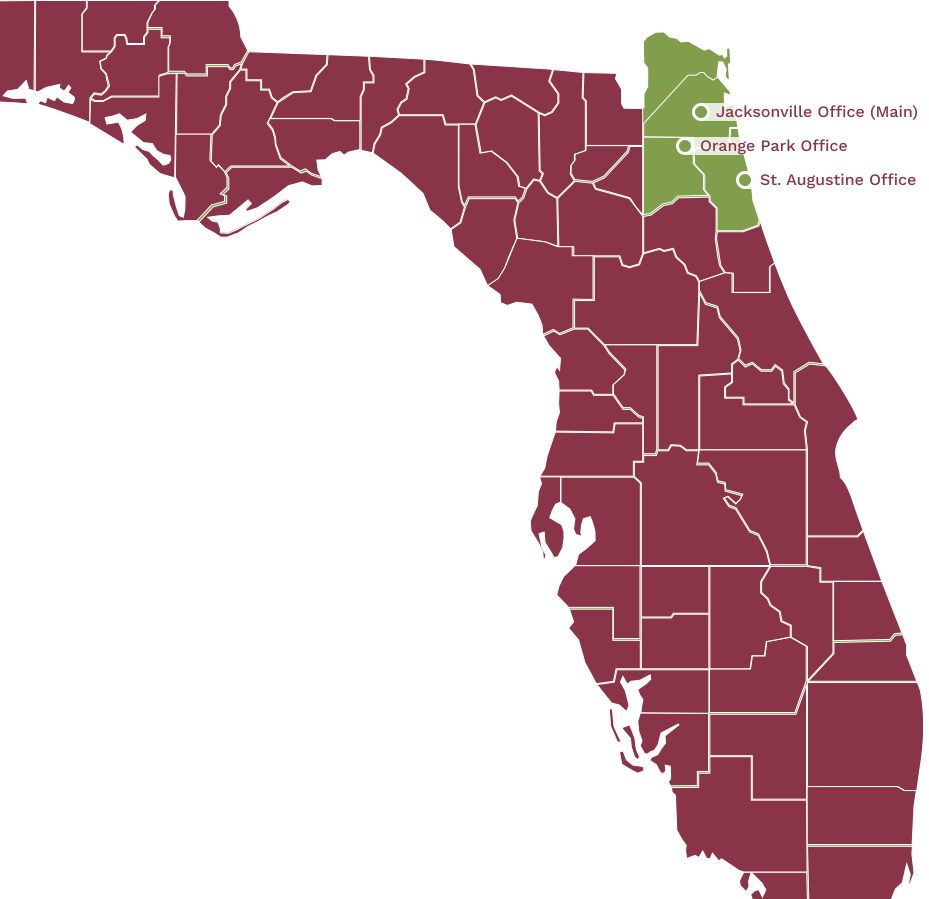
At Berg Bryant Elder Law Group, our Florida Board Certified Elder Law Attorneys advise trustees and beneficiaries on trust administration for families in Duval, Nassau, St. Johns, and Clay Counties.
If a trust in your family has stopped functioning, contact our office and tell us what the document says.
This article is for general information and is not legal advice. Trust matters are fact-specific, so speak with one of our elder law professionals.
Author Bio

Kellen Bryant, Esq.
Founder
Florida Bar Board Certified Elder Law Attorney, Kellen Bryant focuses his law practice on advising and helping caregivers with a particular focus on asset protection and preservation from long-term care costs, creditors, and predators. Kellen Bryant is AV Preeminent® Rated, meaning his attorney peers rated him at the highest level of professional excellence. Kellen Bryant was nominated and selected as a Super Lawyer, Rising Star: 2022.