Florida has one of the largest populations of Medicare beneficiaries in the country, making Medicare fraud an important concern for Florida seniors and their families. The calls, mailers, and health fair booths are not random. They are aimed at a specific demographic.
Learning how to spot Medicare fraud targeting Florida seniors protects more than your wallet. A stolen Medicare number can generate false claims for years, corrupt your medical record, and use up benefits you may need later. The warning signs are consistent once you know what to look for.
What Are the Most Common Medicare Scams in Florida?
Most schemes follow a handful of patterns.
- Free equipment offers. Calls or ads offering a free back brace, knee brace, wheelchair, or catheter supplies, which are then billed to Medicare at inflated prices.
- Genetic testing scams. A cheek swab offered at a health fair, church event, or by mail, billed to Medicare for thousands of dollars.
- Fake plan representatives. Callers claiming to be from Medicare asking to verify your number, especially during fall enrollment season.
- New card scams. Claims that you need to pay a fee or confirm information to receive a new Medicare card.
- Services never provided. Charges on your statement for visits, tests, or supplies you never received.
- Upcoding. Billing for a more expensive service than the one actually delivered.
- Unnecessary services. Therapy, testing, or equipment pushed on residents who do not need it.
Fall is the highest-risk season, because the volume of legitimate Medicare marketing gives cover to the illegitimate kind.
How Do You Recognize a Medicare Scam Call?
The tactics are more reliable than the topic. Treat these as warning signs regardless of what is being offered.
- They called you. Medicare does not make unsolicited calls asking for your number.
- They ask for your Medicare number, Social Security number, or bank details.
- They pressure you to decide immediately or claim an offer expires today.
- They offer something free but need your Medicare number to process it.
- They threaten loss of benefits if you do not act.
- They ask you to pay for a new card or for Medicare services by gift card or wire transfer.
The safest response to any unexpected Medicare call is to hang up and call 1-800-MEDICARE yourself using the number on your card. No legitimate caller will object.
What Should Florida Seniors Actually Do to Protect Themselves?
A few habits prevent most fraud.
- Treat your Medicare number like a credit card number. Give it only to providers you chose and trust.
- Never accept free equipment or testing from someone who contacted you first.
- Read every Medicare Summary Notice or Explanation of Benefits. Check dates, providers, and services against what actually happened.
- Keep a simple record of appointments and tests so you can compare.
- Be cautious at health fairs and community events, which scammers use because they look legitimate.
- Do not let anyone borrow your card, including a family member.
Reviewing statements is the single highest-value habit. Fraud usually shows up there first, often months before anyone notices otherwise.
Where Do You Report Suspected Medicare Fraud in Florida?
Reporting is free and you do not need proof, only a reasonable suspicion.
- 1-800-MEDICARE (1-800-633-4227), available around the clock
- HHS Office of Inspector General hotline, 1-800-HHS-TIPS (1-800-447-8477), or online at oig.hhs.gov
- Florida Attorney General’s Office, at 1-866-966-7226
- Senior Medicare Patrol, which helps beneficiaries and caregivers prevent, detect, and report health care fraud, errors, and abuse
The Senior Medicare Patrol is a federally funded program operating through volunteers in every state. In Florida it runs alongside SHINE, the state’s free Medicare counseling program, and counselors will review a confusing statement with you and help determine whether something is actually wrong.
Start with a counselor if you are unsure. Many suspicious charges turn out to be billing errors rather than fraud, and a counselor can tell the difference before you file a report.
Who Is Most at Risk and Why?
Certain circumstances raise exposure considerably.
- Recent hospital or rehab stays, which generate many legitimate bills that make a fraudulent one harder to spot
- Cognitive decline, which makes it harder to evaluate a pressure call
- Social isolation, since a scammer’s call may be the only one received that week
- Recent Medicare enrollment, when the system is unfamiliar
- Long medication lists and multiple providers, which complicate statement review
If you are caring for a parent with memory problems, build statement review into your routine. Consider having Medicare correspondence sent to your address, and ensure someone trustworthy has proper legal authority to handle these matters.
That authority question matters. A durable power of attorney and health care surrogate designation must be signed while your parent still understands what they are agreeing to. Without them, a family facing exploitation may have to go to court for guardianship to intervene.
Protecting Yourself From Medicare Scams in Florida
Medicare fraud in Florida follows recognizable patterns: unsolicited offers of free equipment or testing, pressure to give up your Medicare number, and charges for services nobody provided. Guard the number, read every statement, and report anything suspicious to 1-800-MEDICARE or the Senior Medicare Patrol.
If someone has been exploiting an aging parent financially, that is a broader problem than a billing dispute, and it often signals that legal protections need to be put in place.
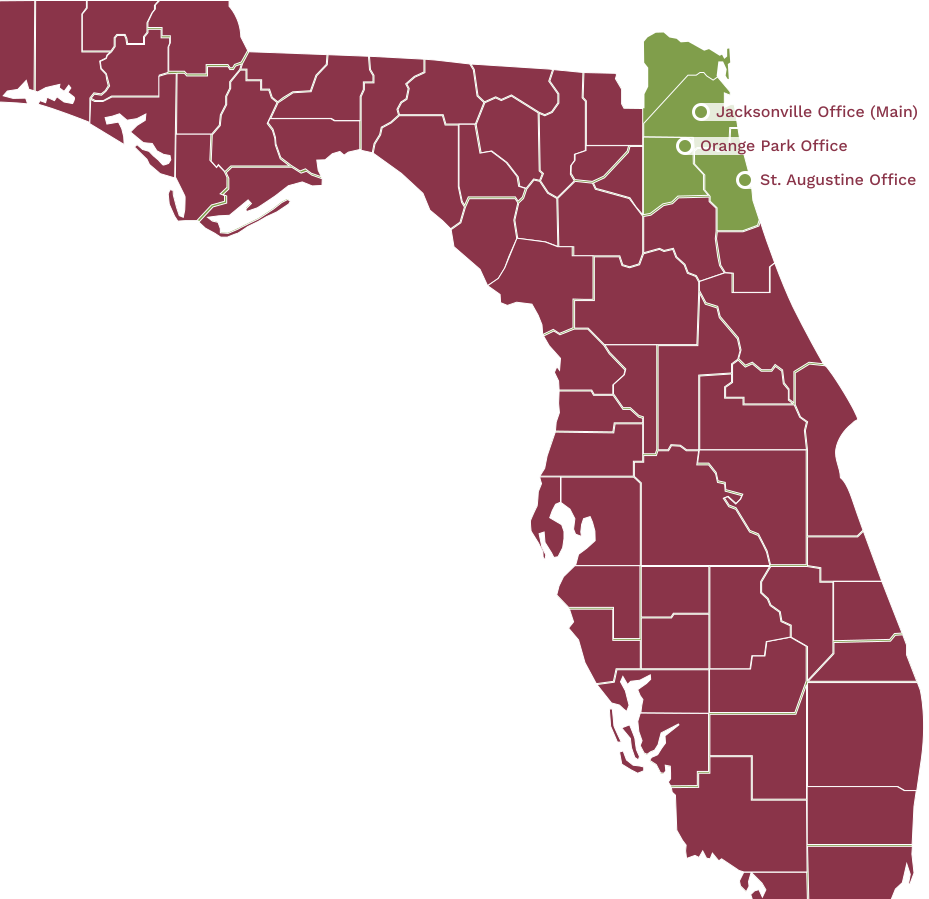
At Berg Bryant Elder Law Group, our Florida Board Certified Elder Law Attorneys help Northeast Florida families protect vulnerable adults and their assets across Duval, Nassau, St. Johns, and Clay Counties.
If you are worried about a parent’s finances or decision-making, contact our office and tell us what you have seen.
This article is for general information and is not legal advice. If you suspect exploitation of a vulnerable adult, contact the Florida Department of Children and Families abuse hotline. For legal guidance, speak with one of our elder law professionals.
Author Bio
Kellen Bryant, Esq.
Founder
Florida Bar Board Certified Elder Law Attorney, Kellen Bryant focuses his law practice on advising and helping caregivers with a particular focus on asset protection and preservation from long-term care costs, creditors, and predators. Kellen Bryant is AV Preeminent® Rated, meaning his attorney peers rated him at the highest level of professional excellence. Kellen Bryant was nominated and selected as a Super Lawyer, Rising Star: 2022.