Almost every Florida family arrives at the same misunderstanding. They have heard Medicare pays for 100 days in a nursing home, so they assume there are 100 days of coverage waiting whenever a parent needs them.
The Medicare 100-day limit for nursing home coverage is real, but nearly every word of that sentence comes with a condition attached. Most stays end well before day 100, the later days are not free, and the benefit never applies to the kind of care most nursing home residents actually need.
What Is the Medicare 100-Day Limit?
Medicare Part A covers up to 100 days of skilled nursing facility care per benefit period. Coverage breaks into two stages in 2026:
- Days 1 through 20: Medicare pays in full and you owe nothing per day
- Days 21 through 100: you pay $217 per day in coinsurance
- Day 101 and beyond: you pay everything
Those 80 coinsurance days total $17,360 out of pocket if a stay runs the full length. The figures come from the Centers for Medicare and Medicaid Services.
So the 100 days are not 100 free days. They are 20 covered days followed by 80 days of significant daily cost sharing.
What Has to Happen Before the 100 Days Start?
The benefit only opens if specific conditions are met, and this is where most families get blindsided.
- A qualifying inpatient hospital stay of at least three consecutive days is generally required
- Admission to the skilled nursing facility must occur within 30 days of hospital discharge
- The facility must be Medicare-certified
- Daily skilled care must be needed, meaning services requiring the skill of a licensed nurse or therapist
- A doctor must order the care
The three-day rule is the most common trap. Time spent in the emergency room or under outpatient observation does not count, even if your parent slept in a hospital bed for several nights. Ask every single day whether your parent is an inpatient or under observation, and get the answer in writing before any transfer. Some Medicare Advantage plans waive this requirement, which is worth confirming with the plan.
Why Do Most Stays End Before Day 100?
Because 100 is a ceiling, not an allowance. Coverage lasts only as long as skilled care is medically necessary.
The average covered stay is considerably shorter than 100 days. When a facility determines skilled care is no longer required, coverage ends on the date stated in a written Notice of Medicare Non-Coverage, which must be provided at least two calendar days in advance.
If you disagree, you have appeal rights with a very short deadline. You can request a free expedited review by calling the number printed on the notice by noon of the day before coverage is scheduled to end. Filing before coverage ends generally means you will not be billed for disputed services during the review. Medicare explains this on its fast appeals page.
One argument to raise: coverage does not depend on whether your parent is improving. Skilled care can qualify when it is needed to maintain a condition or slow decline, so “plateaued” is not by itself a valid reason to stop coverage.
How Does the Benefit Period Actually Work?
This is the most misunderstood mechanic in the whole benefit, and it is not a calendar year.
A benefit period begins when you are admitted as an inpatient to a hospital or skilled nursing facility. It ends after you have gone 60 consecutive days without inpatient hospital care or skilled nursing care.
What follows from that:
- The 100 days do not reset each January
- A new benefit period begins only after a full 60-day break in skilled care, and a new Part A deductible applies
- Multiple benefit periods can occur in one year for someone with repeated hospitalizations
- Returning to a facility within 60 days continues the previous benefit period, so a parent who used 70 days already has only 30 left
Families planning around a January reset are planning around something that does not exist. You can review the details on the Medicare.gov skilled nursing page.
What Does Medicare Never Cover in a Nursing Home?
The 100-day benefit applies to skilled care. It never applies to custodial care.
Custodial care means help with bathing, dressing, eating, toileting, transferring, and supervision. It is not medical treatment, and it is what the majority of long-term nursing home residents need. Medicare pays nothing toward it at any point, no matter how long the person has been enrolled or how much they have paid in.
Neither does Medigap, which fills gaps in Medicare and cannot extend a benefit past day 100. Medicare Advantage plans are bound by the same limit.
What Pays After the 100 Days Run Out?
Once the skilled benefit ends, Florida families rely on a short list:
- Private funds, which can become a substantial monthly expense
- Long-term care insurance, if a policy was purchased before health problems developed
- Veterans benefits, including Aid and Attendance for eligible wartime veterans and surviving spouses
- Long-term care Medicaid, which most families eventually use
Florida’s long-term care Medicaid has strict financial rules that adjust annually, detailed on our page covering 2026 Medicaid income and asset limits. The state reviews 60 months of financial history, so gifting assets during the discharge week typically creates a penalty rather than eligibility.
Even after admission, crisis planning can preserve a meaningful portion of savings when handled correctly.
Planning Past Medicare’s 100-Day Nursing Home Benefit
The 100-day limit is a short-term rehabilitation benefit with a hospital stay requirement, daily coinsurance after day 20, and a benefit period that resets only after 60 days without skilled care. It was never designed to fund long-term care, and it does not.
Families who recognize that before day 20 have options. Families who discover it on day 101 usually do not.
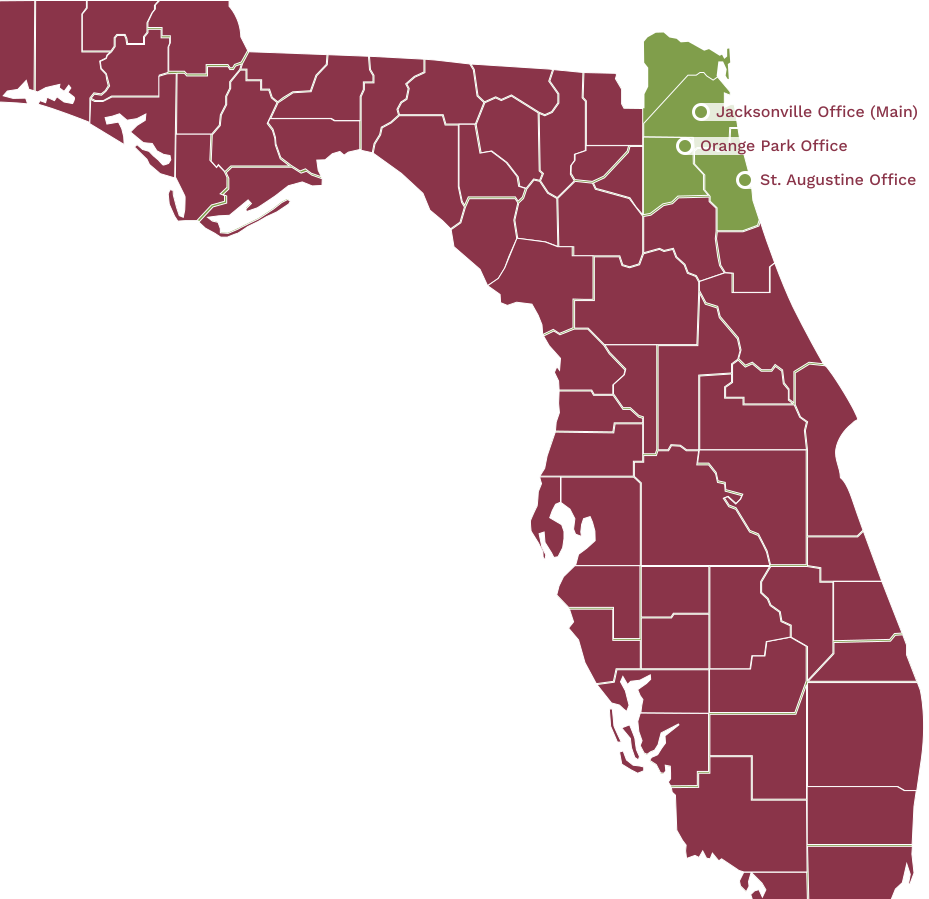
At Berg Bryant Elder Law Group, our Florida Board Certified Elder Law Attorneys help families in Duval, Nassau, St. Johns, and Clay Counties prepare for the costs that begin where Medicare stops.
If a parent is in a rehab stay now, contact our office and tell us what the facility has told you.
This article is for general information and is not legal or medical advice. Speak with one of our elder law professionals about paying for care beyond the Medicare benefit.
Author Bio

Kellen Bryant, Esq.
Founder
Florida Bar Board Certified Elder Law Attorney, Kellen Bryant focuses his law practice on advising and helping caregivers with a particular focus on asset protection and preservation from long-term care costs, creditors, and predators. Kellen Bryant is AV Preeminent® Rated, meaning his attorney peers rated him at the highest level of professional excellence. Kellen Bryant was nominated and selected as a Super Lawyer, Rising Star: 2022.