A parent moves into a nursing home and the family assumes the medications are simply part of the bill. Then a pharmacy statement arrives with their name on it, or the facility says a drug is not on the plan’s list. Suddenly nobody is sure who pays for what.
Medicare Part D does cover prescriptions for nursing home residents, but the mechanics change once someone lives in a facility. A different pharmacy fills the orders, the plan choice matters more than it did at home, and many residents qualify for help that reduces drug costs to nothing.
Does Part D Cover Drugs for Nursing Home Residents?
Yes. A nursing home resident keeps their Part D coverage, and the plan continues to pay for covered prescriptions the same way it would at home.
What changes is the delivery system. Nursing homes contract with long-term care pharmacies rather than the retail pharmacy down the street. Those pharmacies package medications for facility administration, deliver on the facility’s schedule, and bill the resident’s Part D plan directly.
The important consequence: your parent’s Part D plan must work with the facility’s long-term care pharmacy. If it does not, the family can end up paying out of pocket for drugs that should have been covered.
Which Drugs Are Covered and Which Are Not?
Part D covers prescription drugs dispensed by a pharmacy. It does not cover everything a resident receives.
Covered by Part D:
- Prescription medications on the plan’s formulary, dispensed by the long-term care pharmacy
- Most maintenance drugs the resident was already taking at home
Not covered by Part D:
- Drugs administered during an inpatient hospital stay, which are bundled into the Part A payment to the hospital
- Drugs during a Medicare-covered skilled nursing stay, which are generally included in the facility’s Part A payment for those covered days
- Over-the-counter items, which the facility may provide or charge for separately
- Drugs excluded from Part D coverage by law, which vary by plan
That second point causes real confusion. During a Medicare-covered rehab stay, medications are usually part of the bundled payment. When that skilled coverage ends and the resident stays on as a long-term resident, Part D becomes the payer.
What Do Prescriptions Cost in 2026?
For a resident without extra assistance, standard Part D cost sharing applies. In 2026 that means a plan deductible of up to $615, followed by cost sharing until out-of-pocket spending reaches the annual cap of $2,100, after which covered drugs cost nothing for the rest of the year.
That annual cap is a meaningful protection for nursing home residents, who often take many medications. Before recent changes, there was no ceiling at all.
Most long-term nursing home residents, however, do not pay standard rates, because of the program described next.
How Does Extra Help Change Costs in a Nursing Home?
Extra Help, also called the Part D Low-Income Subsidy, dramatically reduces drug costs, and nursing home residents receive the most favorable treatment in the program.
For people who receive full Extra Help:
- $0 plan premium with a qualifying plan
- $0 deductible
- Small capped copays, up to roughly $5.10 for covered generics and $12.65 for covered brand-name drugs
- $0 for covered drugs once the annual out-of-pocket cap is reached
Here is the part that matters most for families: people receiving full Extra Help who live in an institutional setting such as a nursing home, or who receive home and community-based long-term care services, generally pay $0 copays for every covered drug. Not reduced copays. Nothing.
Many residents qualify automatically. Anyone with full Medicaid, Supplemental Security Income, or a Medicare Savings Program is enrolled in Extra Help without a separate application. Others can apply through Social Security at any time. Income and resource limits apply and adjust annually, so check current figures with the Social Security Administration.
What Should Families Check When a Parent Enters a Facility?
A short list prevents most billing surprises.
- Confirm the facility’s long-term care pharmacy works with your parent’s Part D plan
- Compare the plan’s formulary against your parent’s actual medication list
- Ask about prior authorization and step therapy requirements on key drugs
- Verify Extra Help status, and apply if your parent may qualify but has not enrolled
- Ask whether a Special Needs Plan would fit, since some Medicare Advantage plans are designed for people who have both Medicare and Medicaid or who live in institutions
- Watch for a special enrollment period, since moving into or out of a facility generally allows a plan change outside the annual window
That last point is easy to miss. A move into a nursing home is one of the situations that lets someone switch Part D plans mid-year to match the facility’s pharmacy.
What About the Larger Cost of the Nursing Home?
Prescription coverage is the smallest part of the bill. Medicare covers drugs, doctor visits, and short-term skilled care. It does not pay for long-term custodial care, which is what a nursing home resident is actually there for.
In Florida, that cost often exceeds thirteen thousand dollars a month. Families typically pay privately until they qualify for long-term care Medicaid, which has its own income and asset rules and a 60-month review of financial history. Our page on 2026 Medicaid income and asset limits sets out the current figures, and the look-back period explains why timing matters.
Managing Prescription Coverage for a Nursing Home Resident
Part D follows your parent into a nursing home, filled through the facility’s long-term care pharmacy rather than a retail one. Standard 2026 cost sharing includes a deductible of up to $615 and an out-of-pocket cap of $2,100, but residents with full Extra Help generally pay nothing for covered drugs.
Getting the plan and pharmacy aligned at admission is what prevents bills that should never have arrived.
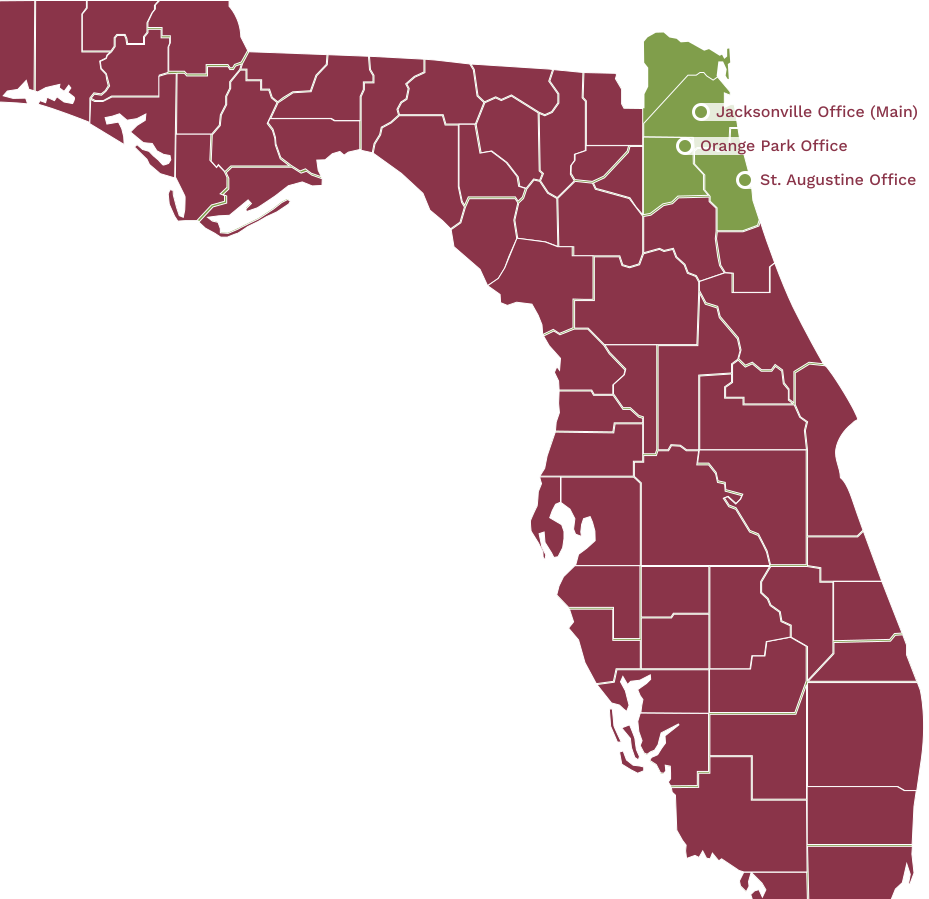
At Berg Bryant Elder Law Group, our Florida Board Certified Elder Law Attorneys help Northeast Florida families plan for the nursing home costs Medicare does not cover, across Duval, Nassau, St. Johns, and Clay Counties.
If a parent has entered a facility and you are sorting out how care gets paid for, contact our office and tell us where things stand.
This article is for general information and is not legal or benefits advice. Plan details vary, so confirm coverage with the plan and speak with one of our elder law professionals about long-term care planning.
Author Bio

Kellen Bryant, Esq.
Founder
Florida Bar Board Certified Elder Law Attorney, Kellen Bryant focuses his law practice on advising and helping caregivers with a particular focus on asset protection and preservation from long-term care costs, creditors, and predators. Kellen Bryant is AV Preeminent® Rated, meaning his attorney peers rated him at the highest level of professional excellence. Kellen Bryant was nominated and selected as a Super Lawyer, Rising Star: 2022.