Medicare is not free. The Part B premium alone runs $202.90 a month in 2026, which is real money for someone living on Social Security. What most Florida seniors never learn is that the state has programs that pay that premium, and sometimes far more.
The Florida Medicare Savings Programs help people with limited income cover Medicare premiums, deductibles, and cost sharing. Enrollment is far lower than eligibility, largely because the programs are poorly publicized and many people assume they earn too much. The application is free, and the limits are more generous than most expect.
What Are the Medicare Savings Programs in Florida?
Florida administers four programs, each with its own income limit and set of benefits. All are run through the state Medicaid agency, with the Department of Children and Families determining eligibility.
- QMB, Qualified Medicare Beneficiary, the most comprehensive tier
- SLMB, Specified Low-Income Medicare Beneficiary, which pays the Part B premium
- QI, Qualifying Individual, which also pays the Part B premium
- QDWI, Qualified Disabled and Working Individual, which pays the Part A premium for certain working people with disabilities under 65
The programs are tiered by income. If you do not qualify for one, you may still qualify for the next.
What Are the 2026 Income and Asset Limits in Florida?
For 2026, the monthly income ceilings for a single applicant are approximately:
- QMB: up to $1,350 per month, or about $1,824 for a couple
- SLMB: above the QMB line up to about $1,616 per month, or about $2,184 for a couple
- QI: up to about $1,816 per month, or about $2,455 for a couple
Florida also applies an asset test, with countable resource limits of roughly $9,950 for an individual and $14,910 for a couple.
Two details matter enormously here:
- Your home and one vehicle do not count toward the asset limit
- A general income disregard applies, so your gross income can sometimes exceed these ceilings and you may still qualify
Because of how income is counted, the only reliable way to know is to apply. These figures adjust annually, so confirm current limits before relying on them.
What Does Each Program Actually Pay?
The difference between tiers is substantial, and QMB is in a category of its own.
QMB pays Medicare Part A and Part B premiums plus deductibles, coinsurance, and copayments for Medicare-covered services. Federal law prohibits providers who accept Medicare from billing QMB enrollees for that cost sharing. In practical terms, a QMB enrollee should owe nothing out of pocket for Medicare-covered care, including the 2026 Part A hospital deductible of $1,736 and Part B coinsurance.
SLMB and QI each pay the monthly Part B premium. At $202.90 a month in 2026, that is roughly $2,435 back in your pocket every year. Neither pays deductibles or copays.
QDWI pays the Part A premium for a narrow group of working people with disabilities under 65.
One restriction worth knowing: you generally cannot receive QI if you already have full Medicaid. QMB and SLMB do not carry that limitation.
Why Do the Savings Programs Also Help With Prescriptions?
This is the part that surprises people, and it is worth the application by itself.
Enrolling in any Medicare Savings Program automatically qualifies you for Extra Help, the Part D Low-Income Subsidy. You do not file a separate application for it.
With Extra Help in 2026, an enrollee generally pays:
- $0 for the Part D plan premium with a qualifying plan
- $0 for the plan deductible, rather than a standard deductible of up to $615
- Small capped copays, up to about $5.10 for covered generics and $12.65 for covered brand-name drugs
- Nothing at all once out-of-pocket drug costs reach the annual cap of $2,100
For someone taking several expensive medications, Extra Help is often worth more than the premium assistance that triggered it.
How Do You Apply in Florida?
Applications go through the state, and the process is more straightforward than most families assume.
- Apply online through Florida’s ACCESS portal, the state benefits system
- Apply by phone or in person through the Department of Children and Families
- Get free help first from a SHINE counselor, reached through the Elder Helpline at 1-800-963-5337. SHINE is a program of the Florida Department of Elder Affairs and its counselors do not sell insurance
- Gather documentation, including proof of income, bank statements, and Medicare card information
Benefits are often retroactive to the month you applied, and most applications are processed within about 45 days. Apply even if you think your income is slightly too high, because the state makes the official determination and counts income differently than you may expect.
Where Do These Programs Stop?
Medicare Savings Programs help with Medicare costs. They do not pay for long-term care.
If a parent needs ongoing nursing home care, that is a separate program with entirely different rules. Long-term care Medicaid in Florida has its own income cap and asset limit, and the state reviews the previous 60 months of financial transactions when someone applies. Our page on 2026 Medicaid income and asset limits lays out those figures, which differ substantially from the savings program limits above.
Families often qualify for a savings program long before they need long-term care planning. Both are worth addressing, and they are not the same conversation.
Getting Help With Medicare Costs Through Florida’s Savings Programs
Florida’s Medicare Savings Programs can eliminate the Part B premium, and at the QMB level can eliminate nearly all Medicare cost sharing while automatically unlocking Extra Help for prescriptions. The limits are higher than most people assume, and applying costs nothing.
If long-term care is also on the horizon, that planning belongs on a separate track and works best started early.
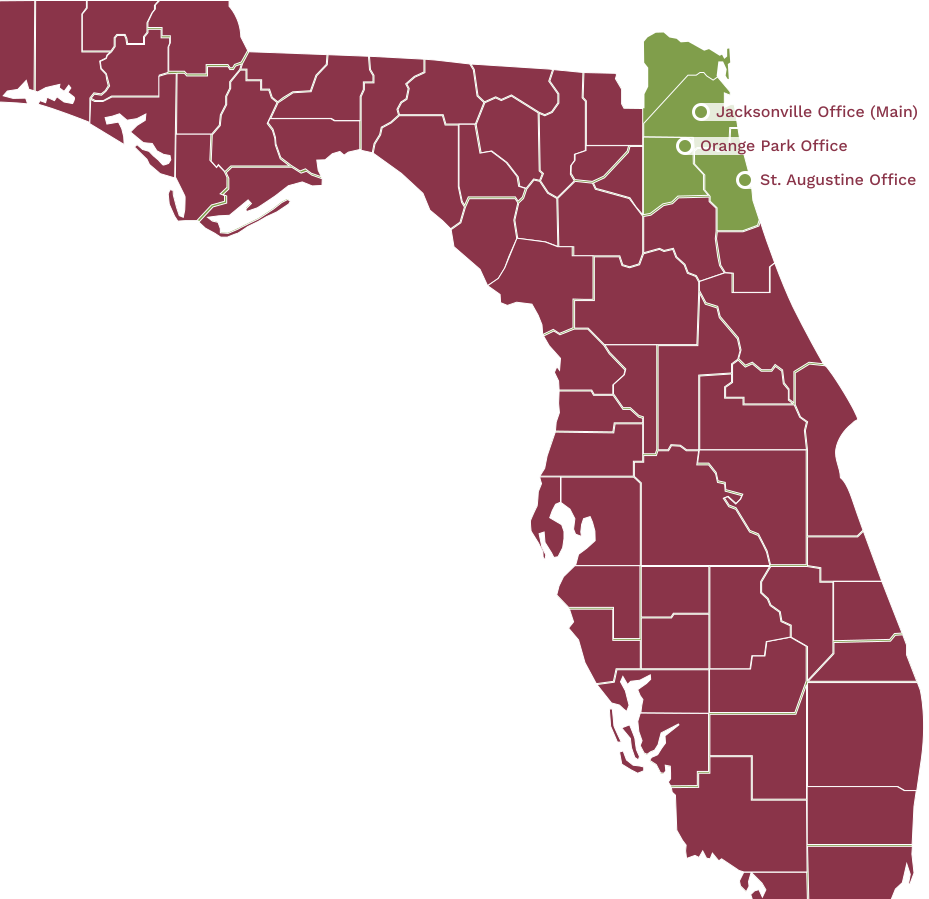
At Berg Bryant Elder Law Group, our Florida Board Certified Elder Law Attorneys help families across Duval, Nassau, St. Johns, and Clay Counties plan for long-term care costs that Medicare does not cover.
To talk through what comes after Medicare, contact our office and tell us about your situation.
This article is for general information and is not legal or benefits advice. Program limits adjust annually, so verify current figures with SHINE or the Department of Children and Families.
Author Bio

Kellen Bryant, Esq.
Founder
Florida Bar Board Certified Elder Law Attorney, Kellen Bryant focuses his law practice on advising and helping caregivers with a particular focus on asset protection and preservation from long-term care costs, creditors, and predators. Kellen Bryant is AV Preeminent® Rated, meaning his attorney peers rated him at the highest level of professional excellence. Kellen Bryant was nominated and selected as a Super Lawyer, Rising Star: 2022.